- •South Carolina has a real fee-shift statute: refuse a covered claim in bad faith and the insurer can owe your attorney fees, up to one-third of the judgment (§ 38-59-40).
- •You generally have three years to sue on the contract and on a bad-faith claim (§ 15-3-530).
- •The improper claim practices law (§ 38-59-20) sets the conduct standard, enforced by the Department of Insurance, not by a private lawsuit.
- •South Carolina has no matching statute; whether mismatched repairs are owed turns on your policy wording.
- •On the coast, the SC Wind & Hail Underwriting Association writes wind and hail coverage the private market won’t. Created in 1971, its expanded modern territory dates to a 2007 DOI order.
A shorter code, built around the coast
South Carolina never rewrote its insurance code the way Florida did, and it does not need to be as long: the state sees fewer direct landfalls, though when they come, they come hard. The market's defining feature is the line between the private carriers inland and the coast, where wind risk concentrates. Along the shoreline, the South Carolina Wind and Hail Underwriting Association (the "wind pool") exists to write the wind and hail coverage private insurers won't, backstopping the Grand Strand, the Lowcountry, and the sea islands.
The consumer-protection side of the code is compact but pointed. A single fee-shift statute changes the economics of a bad denial, a three-year clock governs when you can sue, and the Department of Insurance polices claim conduct. Those three pieces, plus the coastal wind pool, are the South Carolina rulebook, the code any South Carolina insurance lawyer works from.
Bad faith and attorney fees: § 38-59-40
This is the statute that gives a South Carolina policyholder leverage. If a carrier refuses to pay a covered claim within 90 days of demand, and a court finds the refusal was without reasonable cause or in bad faith, the insurer becomes liable for the policyholder's reasonable attorney fees, capped at one-third of the judgment, with additional fees available if the carrier appeals and loses.
ATTORNEY FEES ON A REFUSED CLAIM (SUMMARY OF S.C. CODE § 38-59-40)Refusal to pay a covered claim within 90 days of demand, found by the court to be without reasonable cause or in bad faith, makes the insurer liable for all reasonable attorney fees for the prosecution of the case, not to exceed one-third of the amount of the judgment.
Alongside the statute, South Carolina recognizes a common-law bad-faith action (established in Nichols v. State Farm), which can reach consequential and, in the right case, punitive damages. The practical point: unlike a post-reform Florida claim, a South Carolina policyholder who is wrongly denied can put the carrier's legal exposure back on the table.
The three-year clock: § 15-3-530
South Carolina does not impose a one-year notice deadline the way Florida does. Instead, the key limit is the suit deadline: courts apply the three-year statute of limitations in § 15-3-530 to both the breach-of-contract claim and the bad-faith claim. Your policy may add its own, shorter suit-limitation clause, so the contract still matters, but three years is the statutory backstop.
From loss to lawsuit
S.C. CODE §§ 15-3-530, 38-59-40 · POLICY SUIT-LIMITATION CLAUSE MAY APPLY
Improper claim practices: § 38-59-20
Section 38-59-20 defines the conduct South Carolina treats as an improper claim practice, the state's version of an unfair-claims-practices law. It does not create a private lawsuit on its own; instead it sets the standard the Department of Insurance enforces, and it informs what a court weighs on a bad-faith claim. Under the statute, a practice is improper only when committed without just cause and with such frequency as to indicate a general business practice.
- Failing to adopt and implement reasonable standards for the prompt investigation and settlement of claims.
- Failing to acknowledge and act reasonably promptly on communications about a claim.
- Not attempting a good-faith, prompt, and equitable settlement once liability is clear.
- Compelling a policyholder to sue by offering substantially less than what is ultimately recovered.
- Unreasonably delaying, or unreasonably failing to pay or settle, a claim in full.
The takeaway: § 38-59-20 tells you what "reasonable" looks like, and § 38-59-40 is what makes it cost the carrier when it falls short.
Matching: no statute, so read the policy
Unlike Florida, South Carolina has no matching statute. When a covered loss forces a partial repair (a slope of roof, a run of siding) and the new material doesn't match the old, whether the insurer owes a broader replacement is a contract question, not a statutory one. It turns on how your policy phrases the replacement obligation and how courts have read language like "material of like kind and quality."
That makes the exact policy wording decisive in South Carolina matching disputes. If a carrier hands you a two-toned roof, the argument is built from your declarations page and endorsements. The mechanics are the same as the matching fight we map, but the legal hook is your contract.
The coastal wind pool
In the designated coastal area, private carriers frequently exclude the wind and hail peril, and the South Carolina Wind and Hail Underwriting Association writes it instead. Coverage is commonly wind-and-hail only, which means a coastal homeowner often stacks two policies (the wind pool for the storm, a separate policy for fire, theft, and liability) and, for rising water, a flood policy on top.
That structure is where South Carolina coastal claims get complicated. A single hurricane can split across a wind-pool policy, a homeowners policy, and an NFIP flood policy, with each carrier pointing at the others. The surge-vs-flood and wind-driven-rain fights are the coastal versions of that split. Learn more about the pool itself at scwind.com ↗.
Complaints and SC Safe Home
- File a complaint. The South Carolina Department of Insurance, Office of Consumer Services, reviews complaints against licensed insurers at doi.sc.gov ↗. It can press your carrier for a response, but it does not adjudicate the claim or award damages. That is what the § 38-59-40 remedy is for.
- SC Safe Home. The Department of Insurance runs a mitigation grant program that helps coastal homeowners retrofit against wind: roof and opening upgrades that both reduce damage and can earn premium credits. Details at doi.sc.gov ↗.
The storms behind South Carolina's coastal rules
South Carolina's insurance structure was shaped by a handful of storms. The South Carolina storm archive documents each: the track, the damage, and what happened to the claims.
Strained the 1971-created wind pool and rewrote coastal underwriting.
Open the dossier →A 1,000-year rain event, and a statewide lesson in the flood-vs-homeowners gap.
Open the dossier →Grazed the coast from Charleston to the Grand Strand; wind and flood in one file.
Open the dossier →A Cat 4 Beaufort-area landfall, the historical benchmark for a direct SC hit.
Open the dossier →South Carolina vs. Florida at a glance
- Suit deadline: 3 years (§ 15-3-530).
- Insurer clock: no fixed pay-or-deny statute; reasonableness standard.
- Attorney fees: recoverable in bad faith, up to ⅓ of judgment (§ 38-59-40).
- Matching: no statute: governed by policy wording.
- Coast backstop: SC Wind & Hail Underwriting Association.
- Notice deadline: 1 year; 18 months supplemental (§ 627.70132).
- Insurer clock: 60-day pay-or-deny (§ 627.70131).
- Attorney fees: one-way fees repealed for property suits (SB 2-A).
- Matching: statutory (§ 626.9744), adjoining-areas standard.
- Coast backstop: Citizens Property Insurance Corp.
The full Florida rulebook is in the Florida state center.
South Carolina claim law: the questions everyone asks
Can I make my insurance company pay my attorney fees in South Carolina?
In a bad-faith case, yes. Under S.C. Code § 38-59-40, if an insurer refuses to pay a covered claim within 90 days of demand and a court finds the refusal was without reasonable cause or in bad faith, the insurer is liable for reasonable attorney fees for prosecuting the case, capped at one-third of the judgment. That fee-shift is one of the sharpest tools a South Carolina policyholder has, and it survives the reforms that removed similar leverage in Florida.
How long do I have to sue my insurer in South Carolina?
Generally three years. S.C. Code § 15-3-530 sets a three-year statute of limitations that courts apply to both the breach-of-contract claim and the bad-faith tort claim on a property policy. Your policy may also contain its own suit-limitation clause, so check the contract, but the statutory backstop is three years from the accrual of the claim.
What counts as bad faith by an insurer in South Carolina?
South Carolina recognizes a common-law bad-faith action (established in Nichols v. State Farm) alongside the statutory remedy in § 38-59-40. The core question is whether the insurer had a reasonable basis to deny or delay a covered claim. Refusing to pay without a reasonable investigation, ignoring evidence that supports coverage, or lowballing a clear loss can all support a bad-faith finding. The improper-claim-practices statute (§ 38-59-20) lists conduct the state treats as improper.
Does South Carolina require matching for a partial roof or siding repair?
There is no South Carolina matching statute equivalent to Florida’s § 626.9744. Whether an insurer must replace undamaged material to avoid a two-toned result depends on your policy language and how courts read terms like "repair or replace with material of like kind and quality." Because the answer lives in the contract, matching disputes in South Carolina turn on the exact policy wording and the facts of the loss.
Who insures my house on the South Carolina coast if no one will write wind?
The South Carolina Wind and Hail Underwriting Association (the "wind pool") writes wind and hail coverage for eligible property in the designated coastal area when the private market declines it. It is a residual market, not a first choice: coverage is often wind-and-hail only, so you pair it with a separate policy for fire, theft, and liability. The pool was created in 1971; Hurricane Hugo in 1989 strained it and transformed coastal underwriting, and the modern expanded coverage area came by Department of Insurance order in 2007.
How do I file a complaint against my insurer in South Carolina?
Contact the South Carolina Department of Insurance, Office of Consumer Services, at doi.sc.gov. The department reviews complaints against licensed insurers and can press the carrier for a response, though it does not adjudicate your claim or award damages. For coverage disputes that need a legal remedy, the § 38-59-40 fee-shift and the three-year suit window are the tools that matter.
- SC STATEHOUSE S.C. Code § 38-59-40: attorney fees where insurer refuses to pay a covered claim ↗
- SC STATEHOUSE S.C. Code § 38-59-20: improper claim practices ↗
- SC STATEHOUSE S.C. Code § 15-3-530: three-year statute of limitations ↗
- SC DOI South Carolina Department of Insurance, Consumer Services ↗
- SCWHUA South Carolina Wind and Hail Underwriting Association (the wind pool) ↗
- SC DOI SC Safe Home: mitigation grant program (SC DOI) ↗
- NOAA / NHC NHC Tropical Cyclone Report: Hurricane Hugo ↗
Not legal advice; consult an attorney about your specific claim.
Claim help by city
Local deadlines, wind zones, flood maps, and the storms that hit each place. Pick your city.



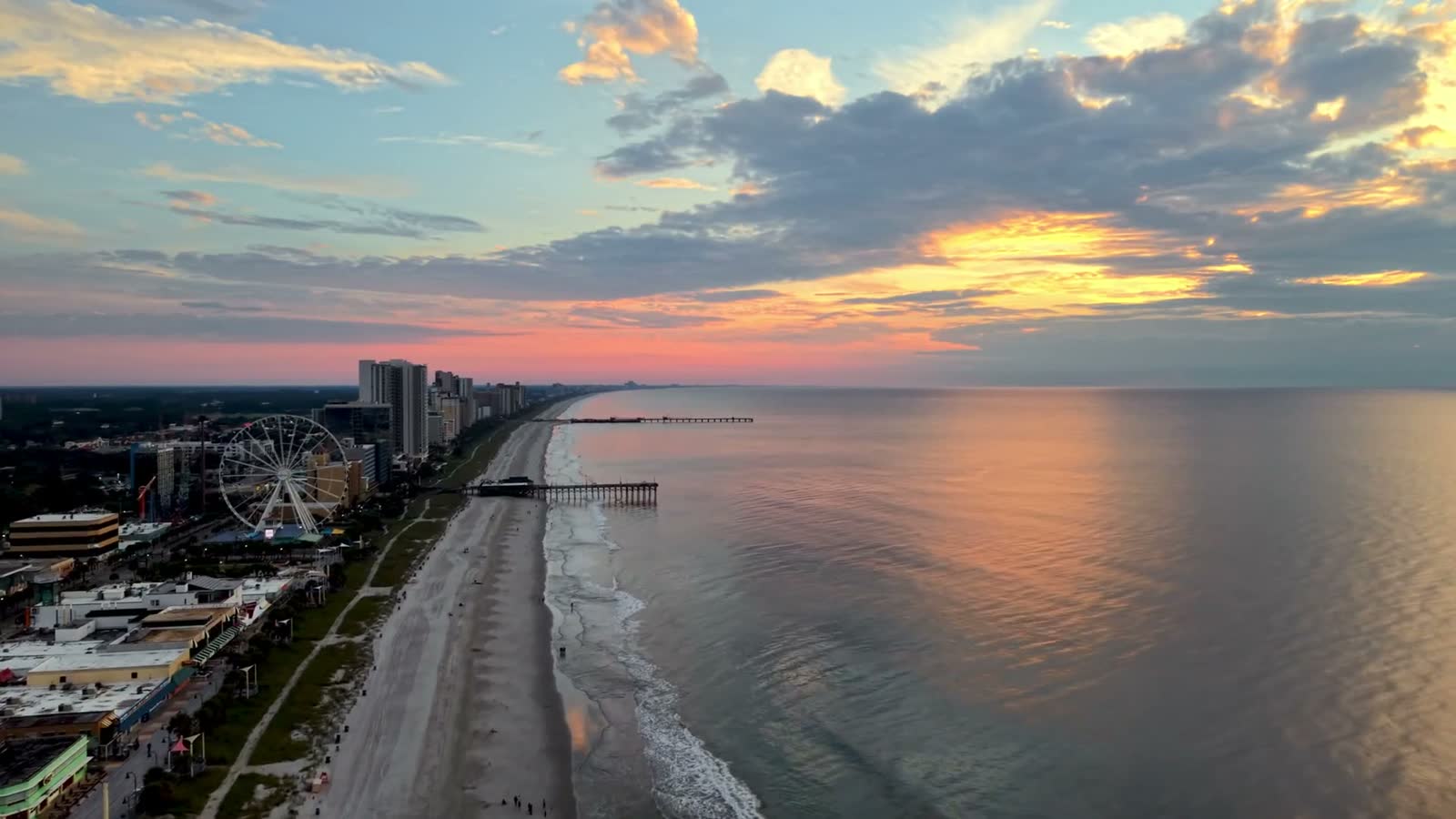
South Carolina keeps the fee-shift Florida threw out
South Carolina runs a shorter insurance code than Florida, and one part still has teeth. Under S.C. Code § 38-59-40, if a carrier refuses a covered claim within 90 days of demand without reasonable cause or in bad faith, it owes your attorney fees, capped at one-third of the judgment. Section 38-59-20 sets the conduct standard the Department of Insurance enforces but creates no private suit. You generally have three years to sue on the contract and the bad-faith claim (§ 15-3-530). There is no SC matching statute, so whether a carrier must replace undamaged roof material turns on your policy wording.
When the carrier denies or shorts the claim, the § 38-59-40 bad-faith fee-shift and the three-year window are the tools that carry weight. Storm surge and flood ride on separate policies from wind, and carriers assign damage to whichever peril pays less. If the loss or carrier crosses state lines, compare Florida, where the clock is one year and the one-way fee rules are gone.
Denied in bad faith? South Carolina law can shift the fees.
Upload the denial letter and your policy. You'll get a straight read on whether the refusal looks like bad faith under § 38-59-40, and whether the three-year clock is still on your side.

 HURRICANELAW.PRO
 A comprehensive property-insurance claim resource for policyholders: denied and underpaid claims, coverage and bad-faith law, storm dossiers, carrier profiles, city guides, and the complete claims playbook. Florida and South Carolina.
▸ SEE THE FULL SITE MAP →Coverage summaries, policy-language quotations, dollar figures, deadlines, and chart examples throughout this site are general information based on typical or standard policy forms and are illustrative only: they are not a quote, a guarantee of coverage, or a promise of any outcome. Every insurance policy is different: your own policy, endorsements, and state law control, so read your policy and confirm current statutes. Weather imagery courtesy of NOAA, the National Hurricane Center, and the National Weather Service. Legal services are provided by Halversen Law. Nothing on this site is legal advice; consult an attorney about your specific claim.
Legal matters are handled by Halversen Law, a law firm licensed in Florida and South Carolina.