
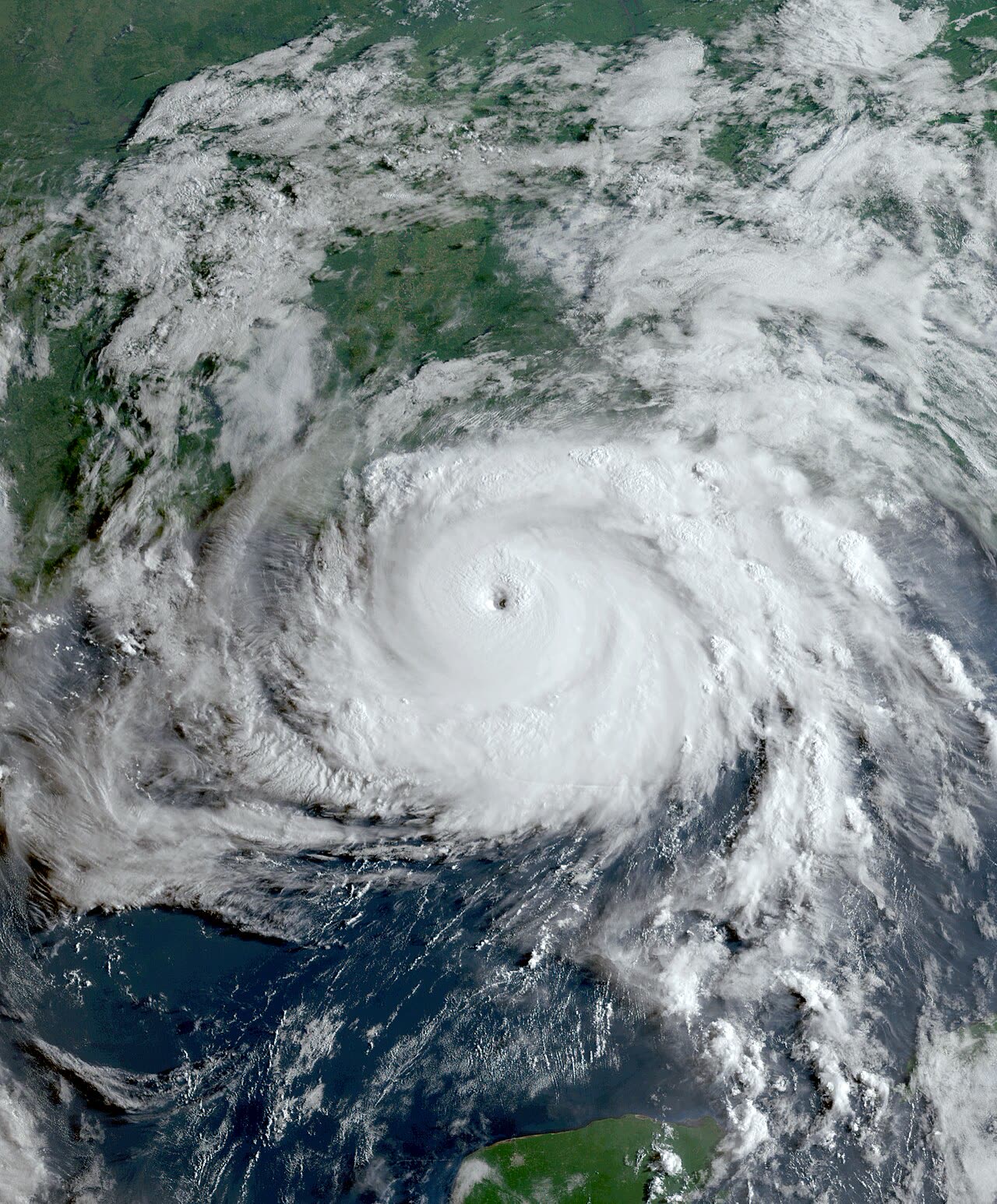
The storm
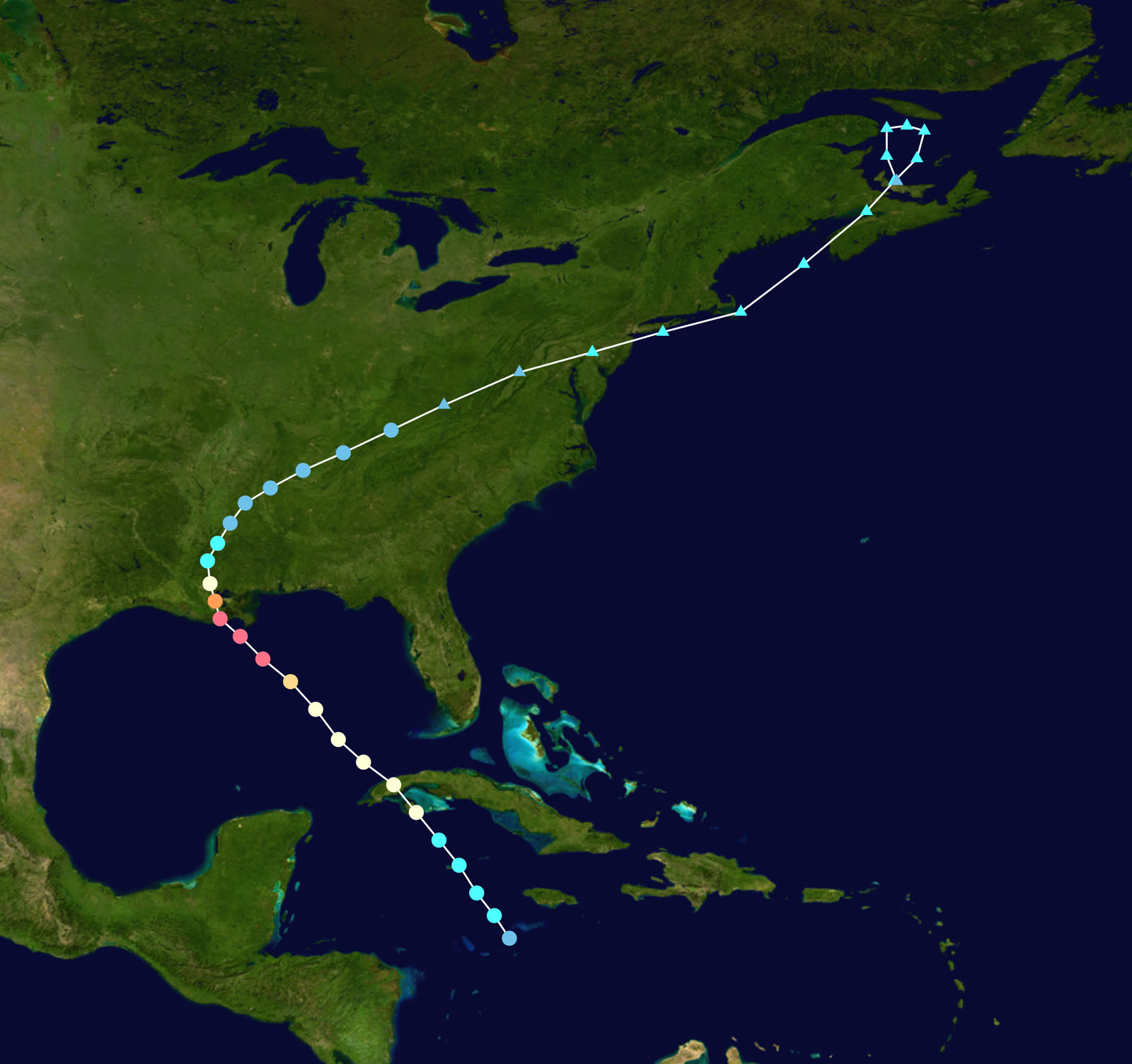
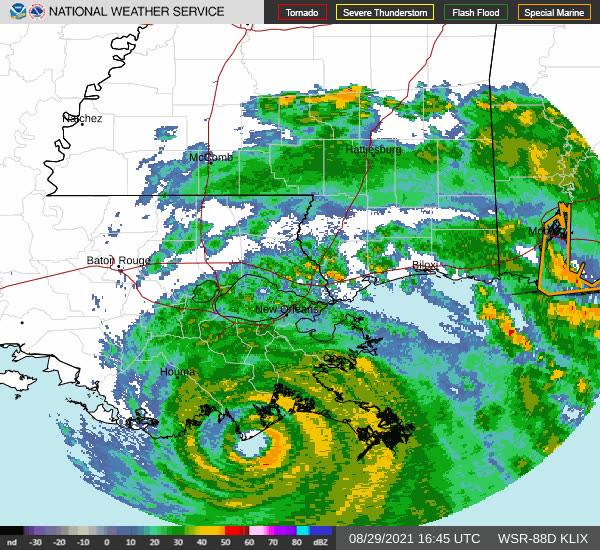
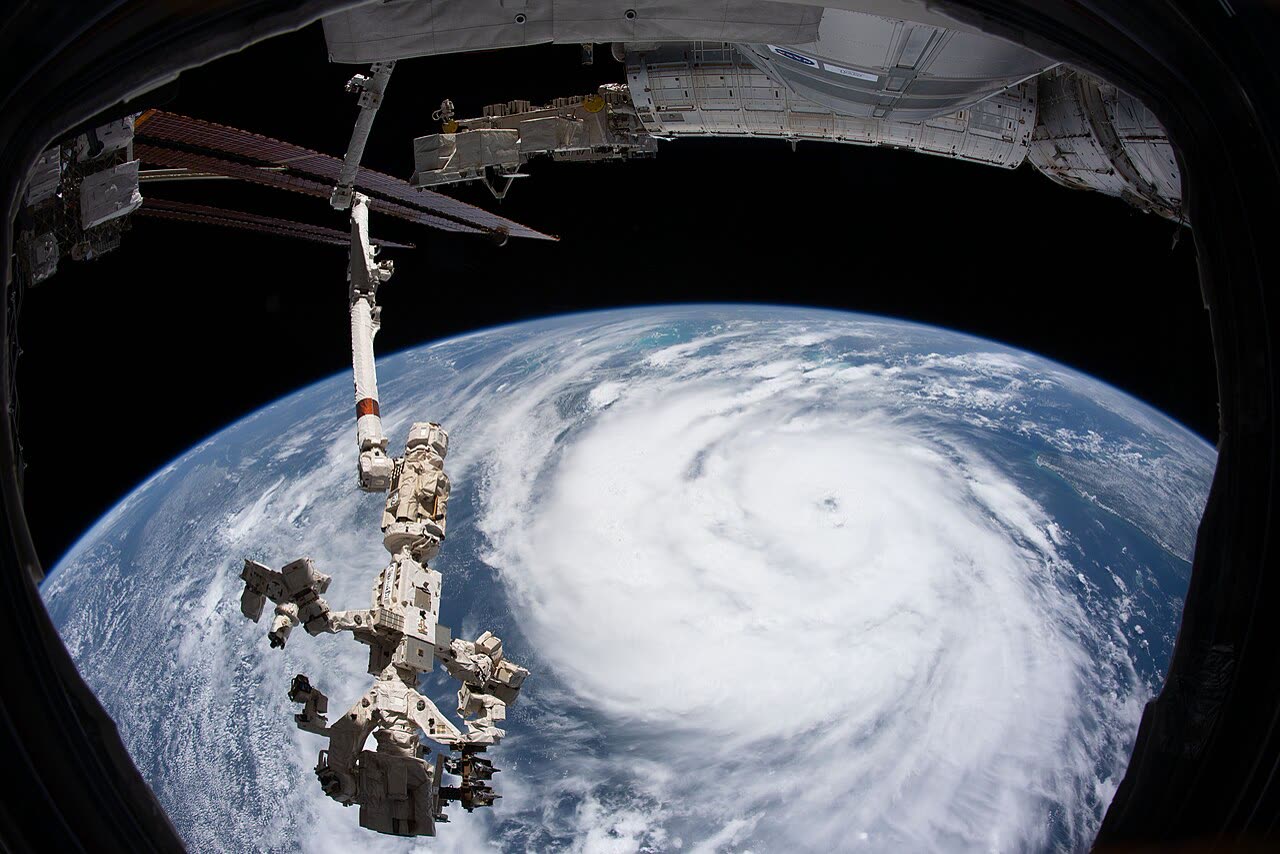
Ida formed in the Caribbean on August 26, 2021, crossed western Cuba, and detonated over the Gulf's Loop Current: 85 mph to 150 mph in the final 24 hours before landfall. It came ashore at Port Fourchon at 11:55 a.m. CDT on August 29, sixteen years to the day after Katrina, as a 150 mph Category 4 with a 930 mb pressure, tying the strongest wind speed on record for a Louisiana landfall.
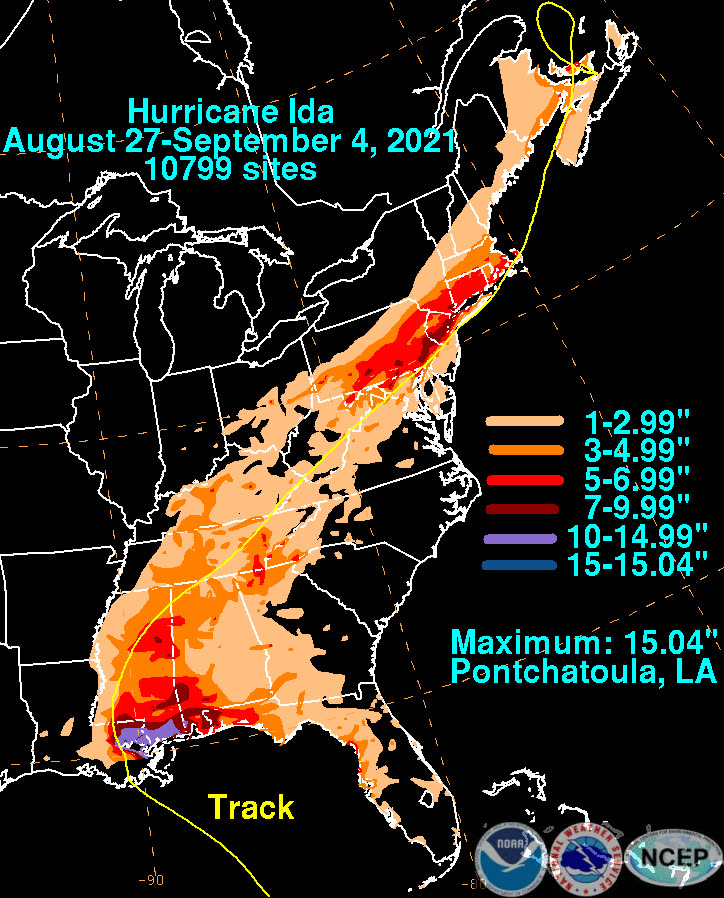
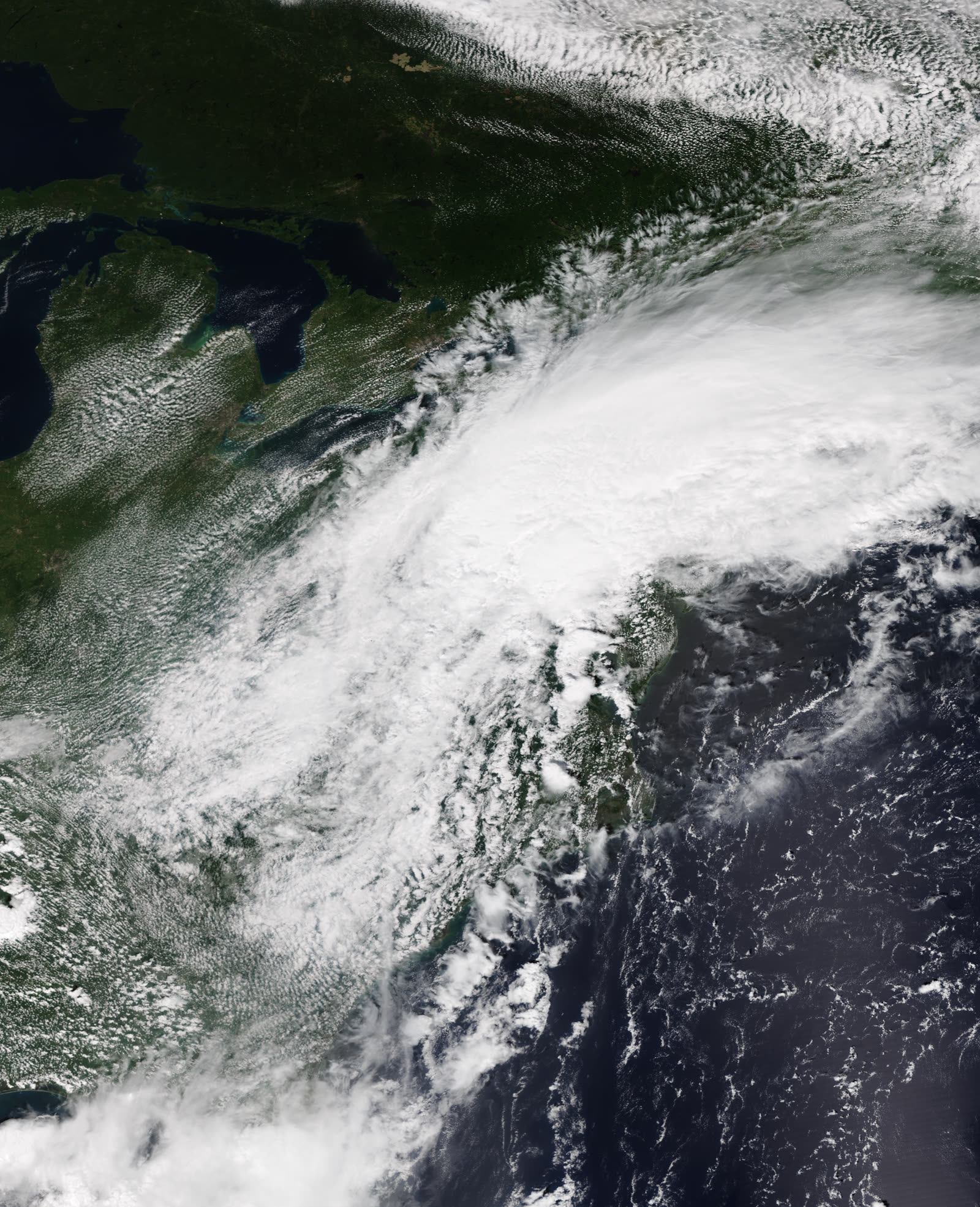
Ida weakened slowly inland, dragging its eyewall across the bayou parishes and blacking out New Orleans entirely. Three days later its remnants merged with a front over the Northeast and produced record-shattering rain, 3.15 inches in a single Central Park hour, drowning people in basement apartments in New York and New Jersey. Roughly half of Ida's 96 U.S. deaths came from the remnants, 1,300 miles from landfall. Total damage: about $75 billion, among the costliest U.S. hurricanes on record.
The damage
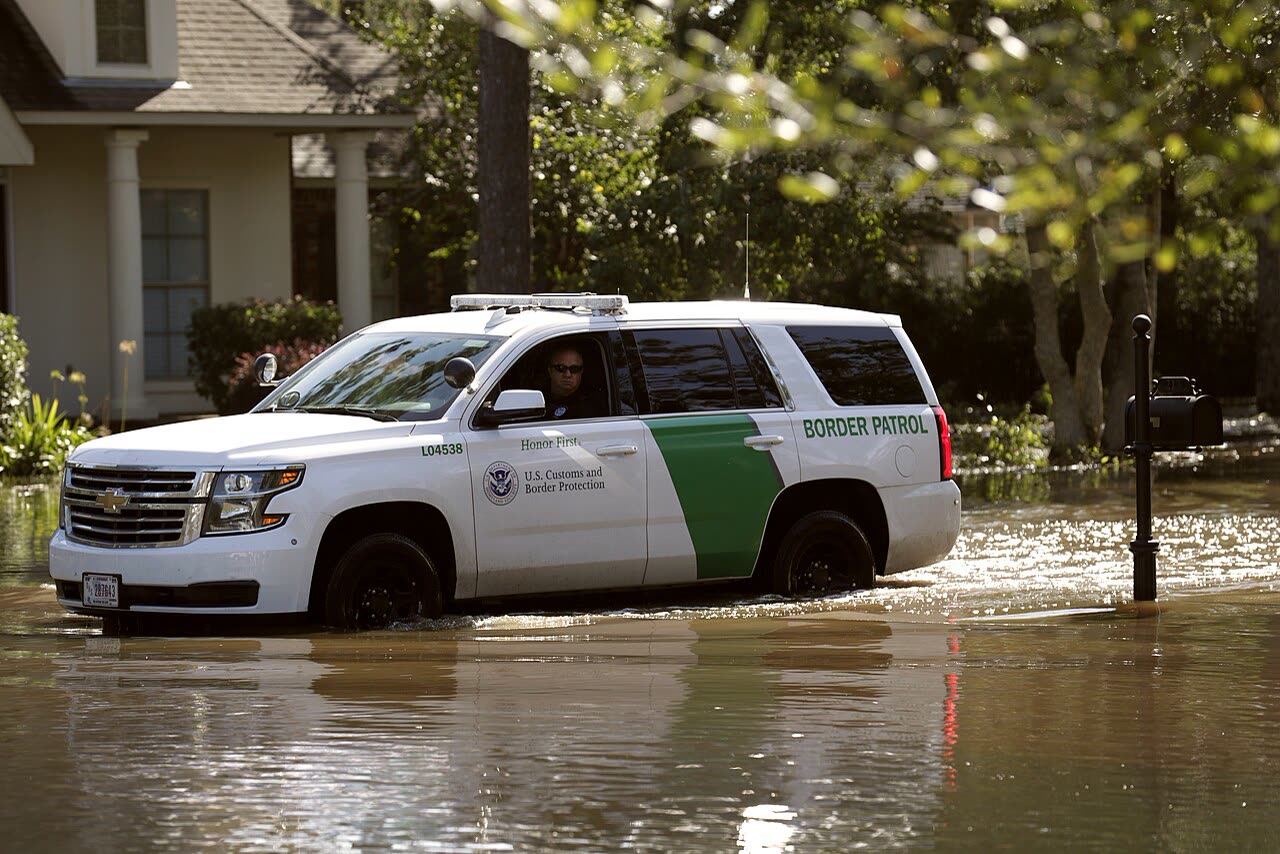
Grand Isle was left uninhabitable, every structure damaged. Port Fourchon, Golden Meadow, Houma, and the Terrebonne-Lafourche bayou communities took Category 4 eyewall wind for hours; entire neighborhoods lost roofs or whole structures. LaPlace, outside the new regional levee system, flooded with surge-driven water. The $14.5 billion post-Katrina levee system around New Orleans held, but the grid didn't: all eight transmission lines into the city failed, one tower collapsing into the Mississippi, and over a million Louisiana customers lost power in dangerous heat. In the Northeast, urban flash flooding filled basements, subways, and highways in a night.
The insurance aftermath
Ida hit a Louisiana market already staggered by Laura, Delta, and Zeta. It drew 460,709 Louisiana claims and $13.1 billion in paid or reserved insured losses through mid-2022, the largest claim event in state history, and finished what Laura started. Eleven property insurers doing business in Louisiana were declared insolvent between July 2021 and September 2022, including Access Home, Americas, State National Fire, Lighthouse and Lighthouse Excalibur, Southern Fidelity, and Weston. Tens of thousands of open Ida claims were orphaned into the Louisiana Insurance Guaranty Association, with its per-claim caps and added delay.
The private-market exodus sent policyholders to the state's insurer of last resort: Louisiana Citizens grew from roughly 35,000 policies before the 2020 season to about 120,000 after Ida, its biggest book since Katrina, at premiums set by law above the market rate.
The claims themselves followed the now-familiar Louisiana pattern at larger scale: serial adjuster reassignments, months-long payment delays, partial roof payments against total roof losses, and ALE exhaustion in a region with no rentable housing. Complaints to the Department of Insurance broke records; the department ran mandatory mediation programs, and as Louisiana's two-year prescriptive deadline approached in August 2023, tens of thousands of Ida lawsuits landed in state and federal courts in a single month.
In the Northeast, Ida was an uninsured flood event. Standard homeowners and renters policies exclude flood; NFIP take-up in the flooded inland neighborhoods of Queens, Brooklyn, and north Jersey was minimal; and NFIP policies in any case sharply limit basement coverage, where the water, the property, and the deaths were. FEMA Individual Assistance and city programs, not insurance, carried most of the loss.
What policyholders learned
- Guaranty funds are a floor, not a substitute. LIGA caps and timelines cost orphaned-claim policyholders real money; carrier financial strength became a purchase criterion, not fine print.
- The prescriptive deadline is absolute. Louisiana's two-year clock ran while claims sat in adjuster churn; suit filing, not continued negotiation, was what preserved rights in August 2023.
- Tree and debris sublimits bit hard in the bayou parishes. Fallen-tree claims paid differently depending on whether the tree struck a covered structure; documentation of the strike point controlled the outcome.
- Roof percentage payments were the volume underpayment. Matching arguments, code-upgrade coverage, and independent estimates converted partial payments to full replacements.
- Basement flood losses need basement-specific planning. NFIP's basement limitations plus zero renters-flood penetration made the Northeast losses nearly unrecoverable, coverage geography matters as much as flood-zone maps.
Not legal advice; consult an attorney about your specific claim. Damage figures are nominal (not inflation-adjusted) unless noted.