
The storm
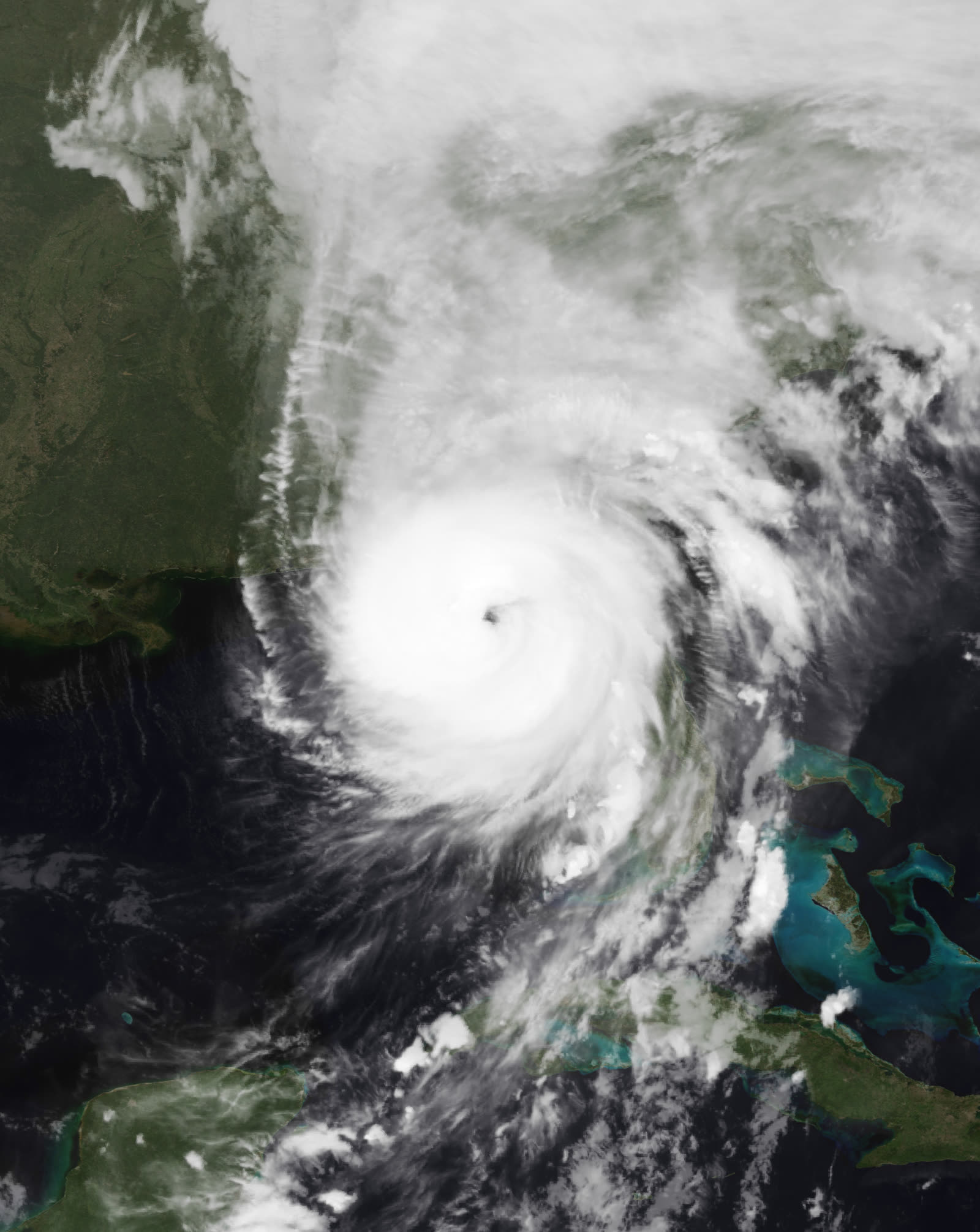
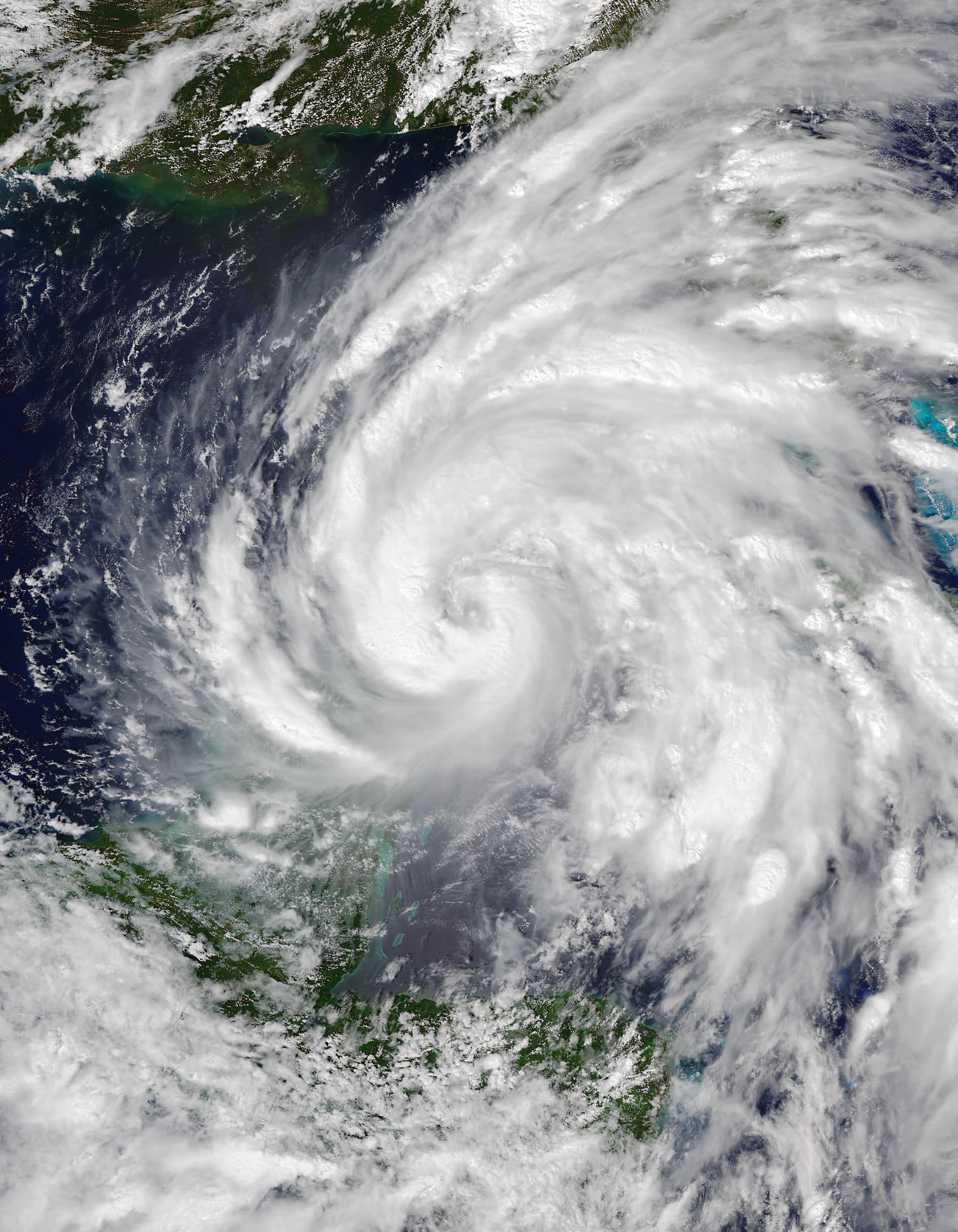
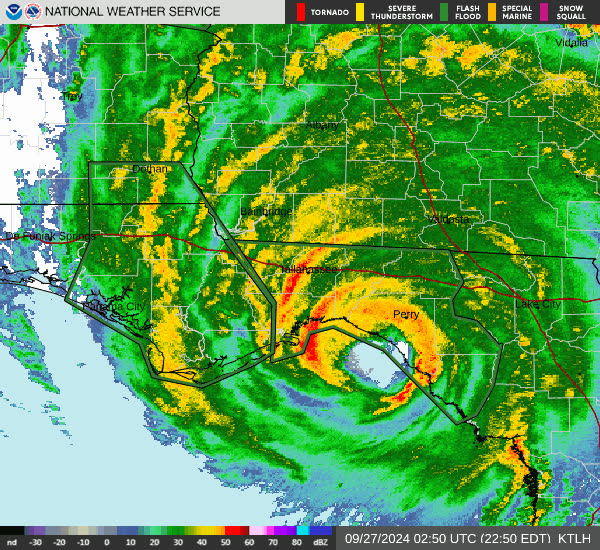
Helene organized in the northwestern Caribbean in late September 2024 and grew into one of the largest hurricanes by wind field ever observed in the Gulf. Size, more than category, defined what came next.
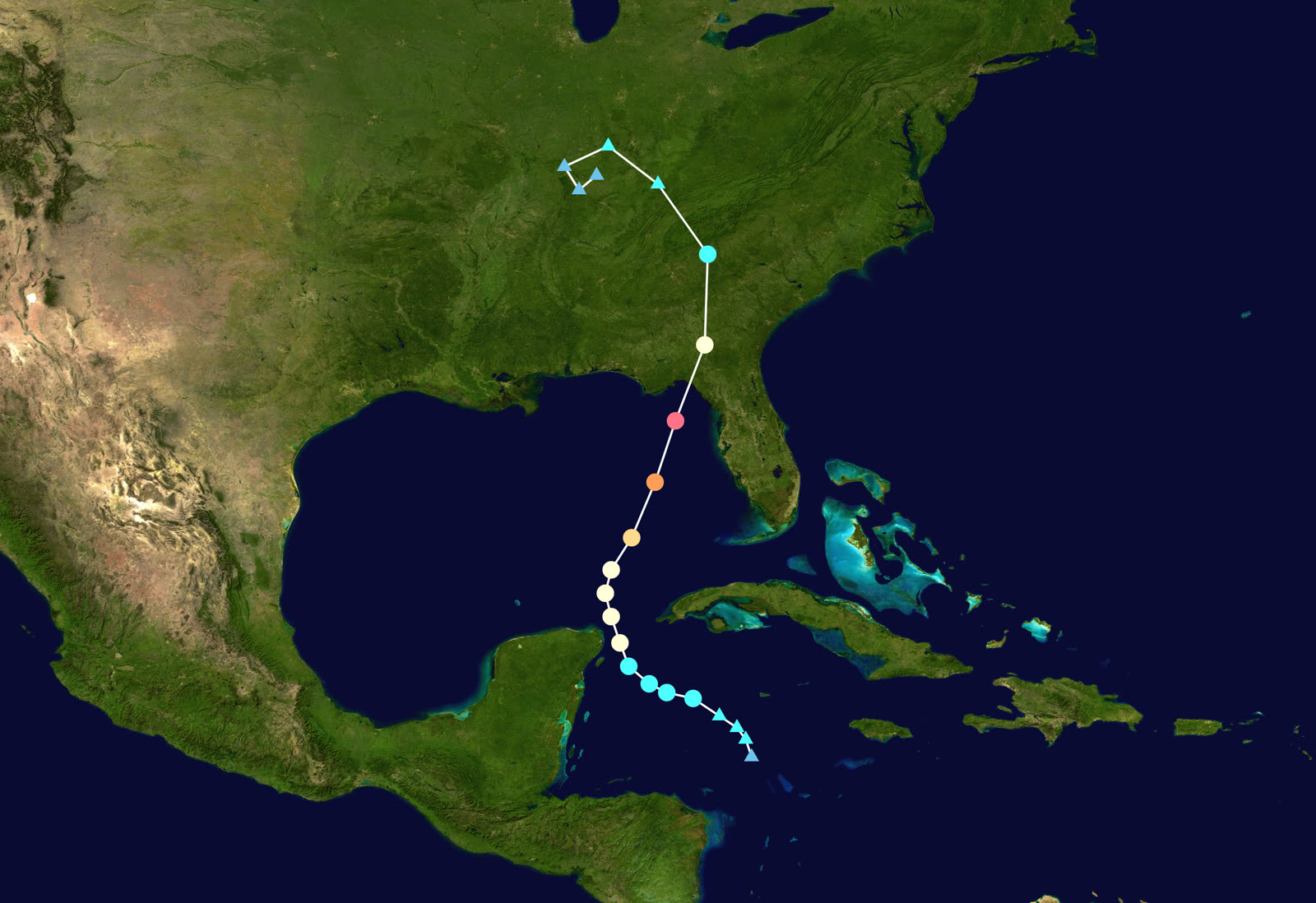
Moving fast, over 20 mph at landfall, Helene struck Florida's Big Bend near Perry late on September 26, 2024, as a Category 4 with 140 mph winds. It was the third hurricane to hit the Big Bend in 13 months (after Idalia and Debby), and the strongest ever recorded there.
The surge footprint ran far beyond the landfall point. Peak inundation reached 12 to 16 feet in the Big Bend, and the storm's enormous wind field pushed record surge into Tampa Bay and the Pinellas beaches, more than 100 miles from the eye.
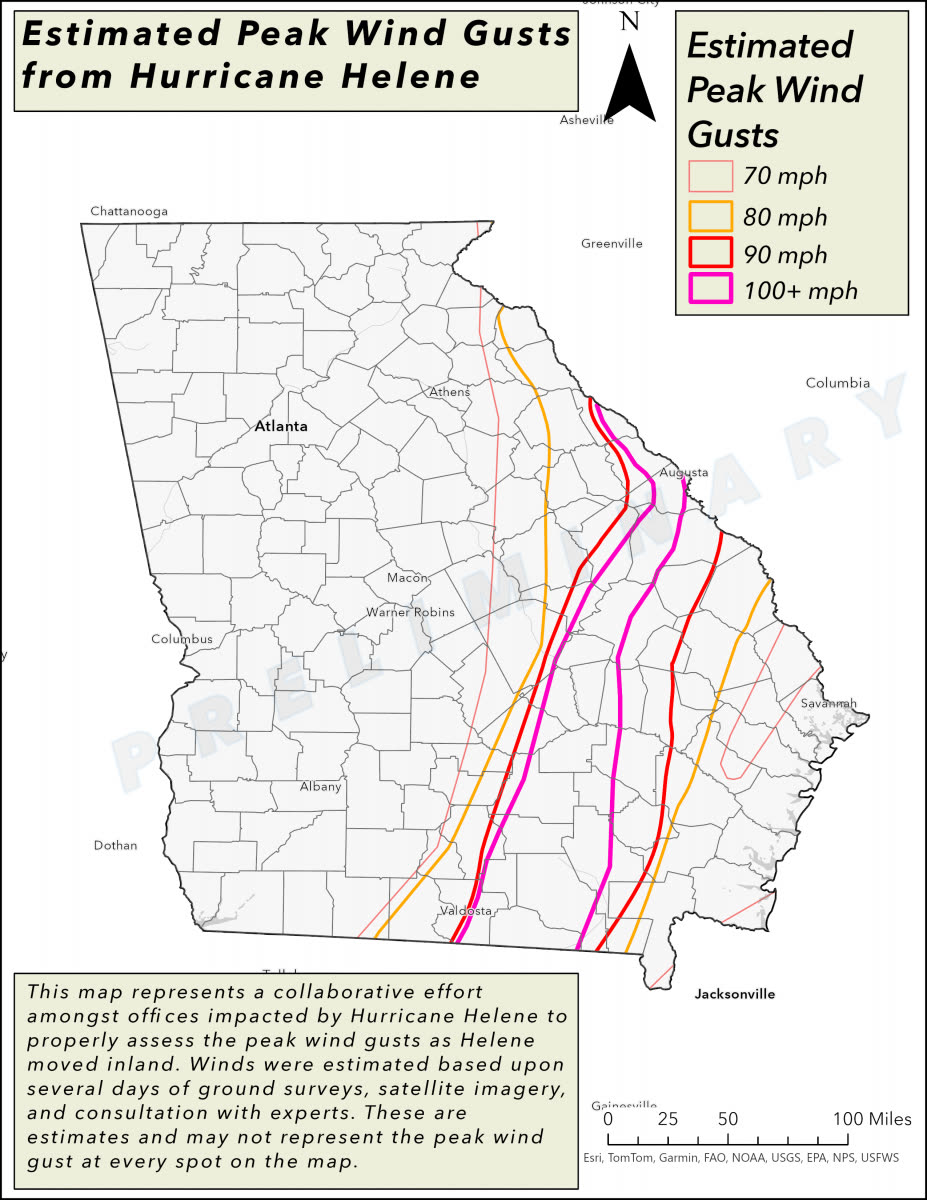
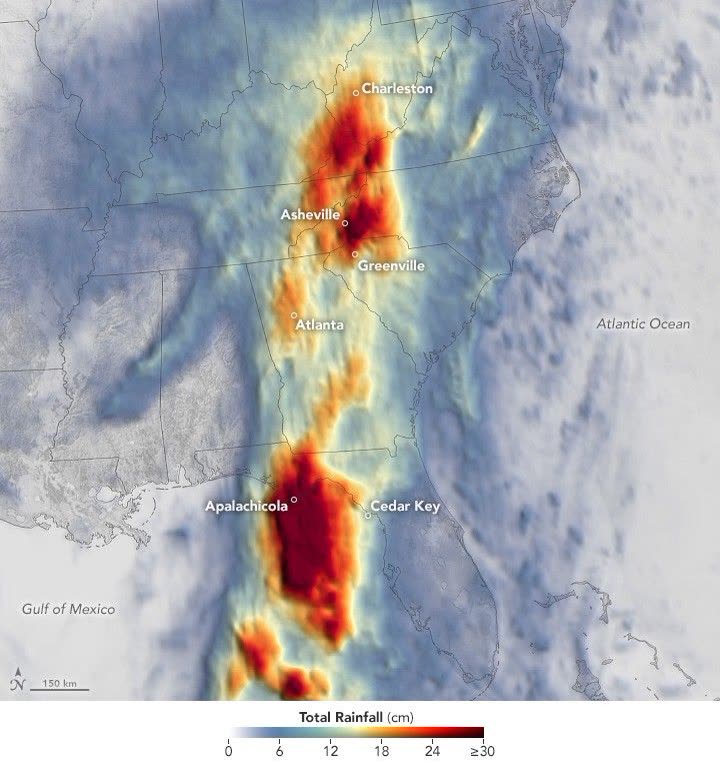
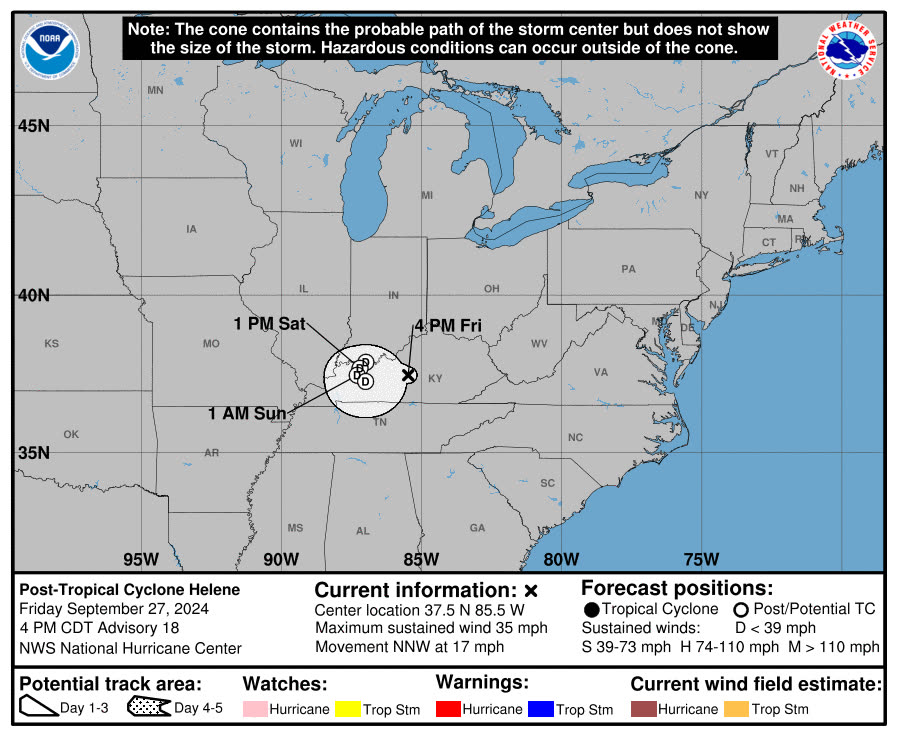
Then Helene did what no Gulf hurricane in the modern record had done at this scale: it carried hurricane-force gusts and catastrophic rain hundreds of miles inland, across Georgia, upstate South Carolina, and western North Carolina. The final toll: about 250 U.S. deaths, the deadliest hurricane to hit the U.S. mainland since Katrina, and $78.7 billion in damage. Roughly 50 of those deaths were in South Carolina, the state's worst inland wind disaster on record.
The damage
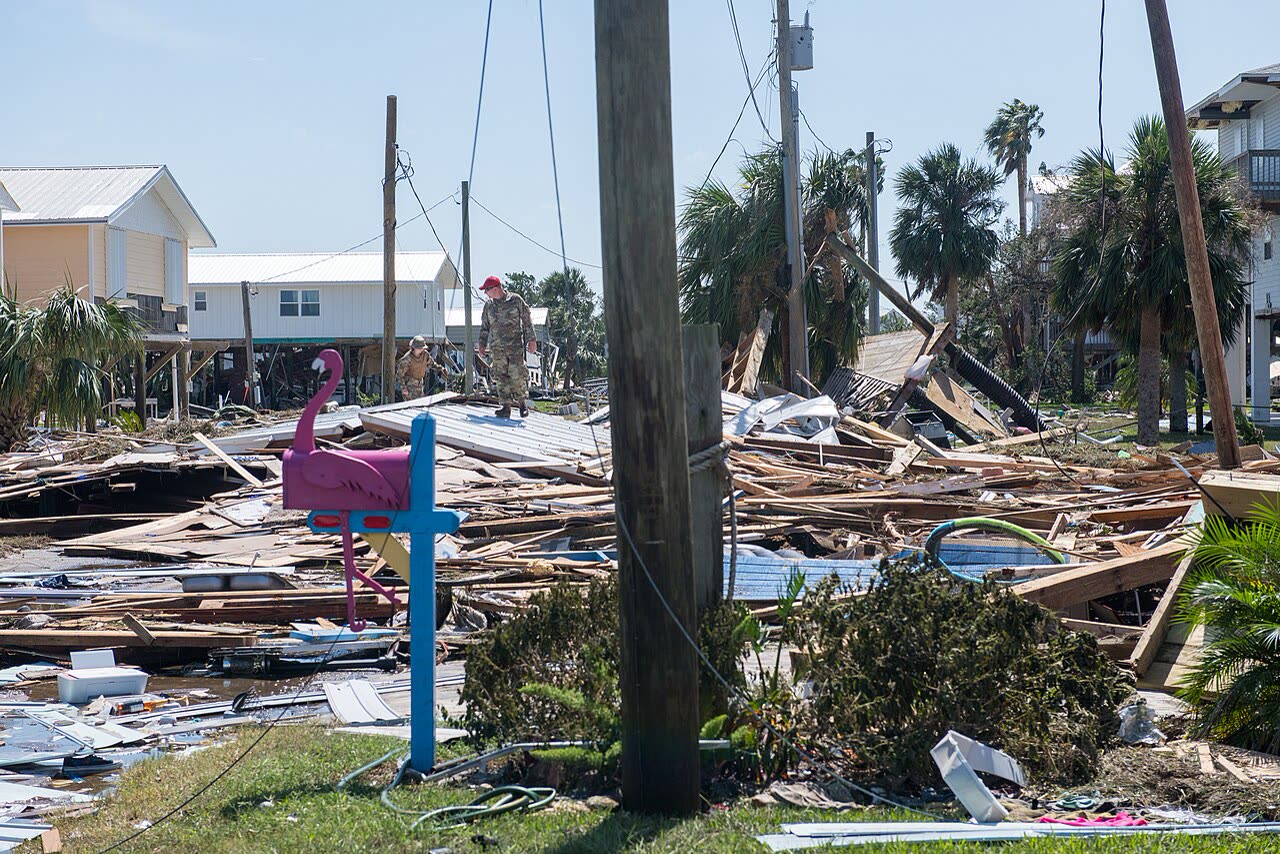
In Florida, the damage split cleanly in two. The Big Bend took wind and surge at the core. But the costliest Florida damage was surge flooding on the west-central coast: Pinellas barrier islands, St. Petersburg, and coastal Tampa Bay neighborhoods flooded to depths many residents had never seen, in areas the eye never approached.
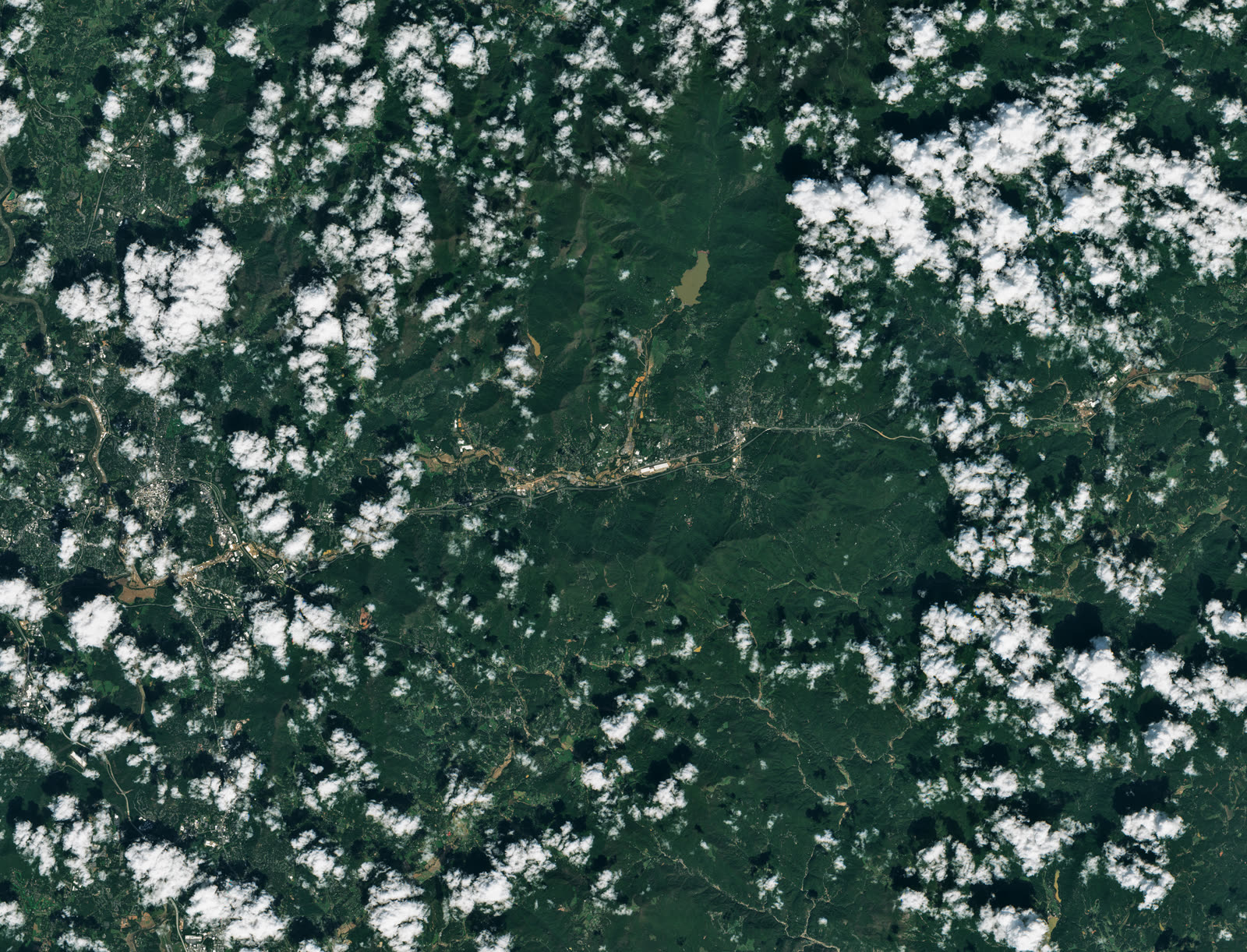
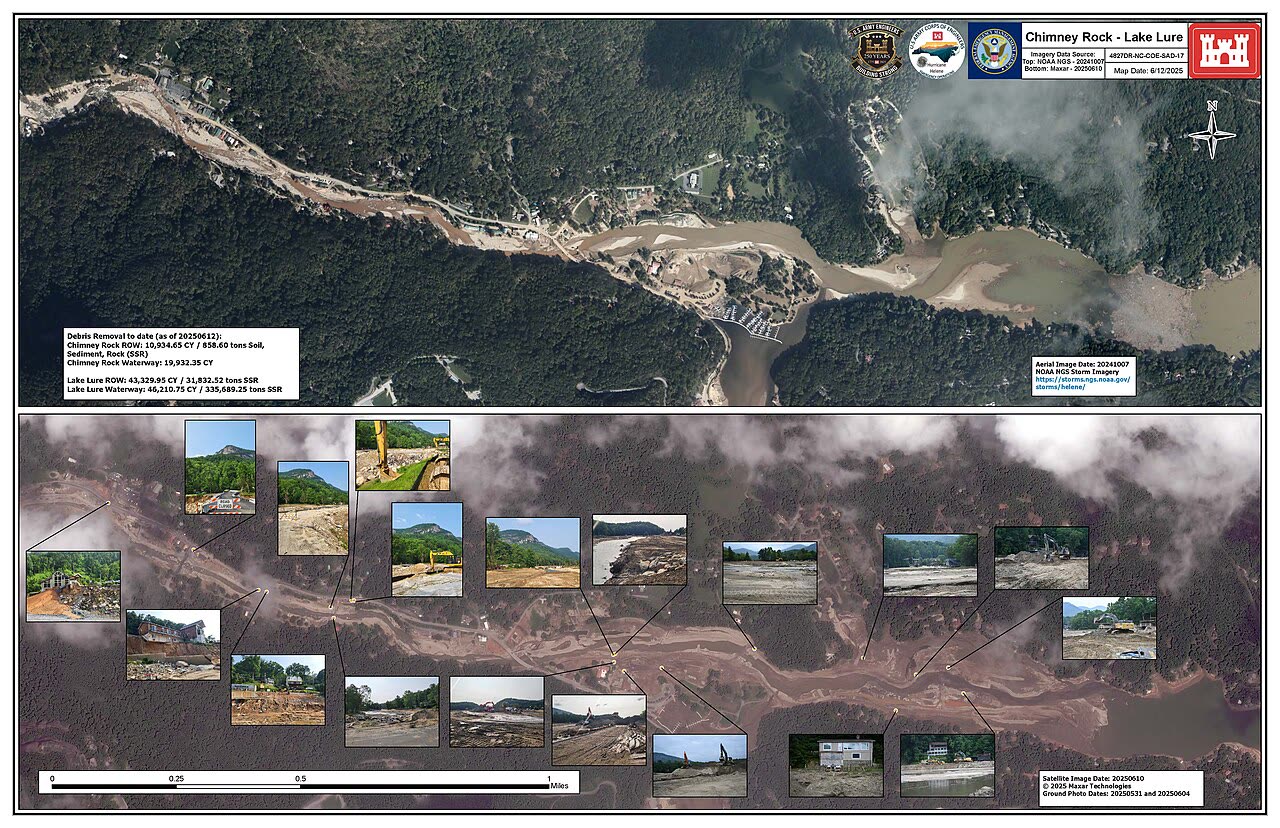
Inland was a different catastrophe. In upstate South Carolina, Greenville, Spartanburg, Anderson, Aiken, Helene arrived as hours of hurricane-force gusts over saturated ground. Trees came down by the hundreds of thousands, onto roofs, vehicles, and power lines. SCEMD counts 33 South Carolina counties impacted, 21 tornadoes, and nearly 5,000 homes damaged. Extended power outages added food-spoilage and secondary losses across the state.
Two weeks later, Milton crossed many of the same Florida coastal neighborhoods; see the Milton dossier for how the back-to-back hit reshaped those claims.
The insurance aftermath
Helene exposed the flood-coverage gap at scale. Most of the Florida coastal loss was surge, flood, in insurance terms, excluded from standard homeowners policies and covered only by NFIP or private flood policies that most affected households did not carry.
The Florida numbers reflect it. FLOIR data from November 2024: 57,415 residential Helene claims filed, 19,068 closed without payment. Across Helene and Milton combined, roughly 360,000 Florida claims were filed; of 329,000+ residential claims, 42% were closed without payment. The most common reasons FLOIR cited: damage below the deductible, or flood damage not covered by the homeowners policy. Private flood carriers reported 6,183 claims across both storms with $197 million paid as of November 8, 2024.
Where properties took both surge and wind, the fights turned on causation and sequence, which peril did what, and which policy pays. Anti-concurrent-causation clauses, the same language litigated after Katrina, drove denials where surge and wind damage mixed.
South Carolina ran a parallel story with different perils. Wind and falling trees are covered by standard homeowners policies, so upstate claims were largely covered in principle, the disputes were about amount. Underpayment, not denial, was the dominant complaint: tree-removal caps (often $500-$1,000 per policy), partial roof payments, and depreciation disputes. Inland freshwater flooding, meanwhile, was almost entirely uninsured: NFIP paid just $9.72 million on 368+ South Carolina claims, in a state where few inland households carry flood coverage. FEMA Individual Assistance, over $323 million across 28 SC counties, became the fallback, and FEMA grants are capped far below rebuild costs.
FLOIR issued emergency orders for both storms suspending cancellations/nonrenewals and extending policyholder deadlines and grace periods. The dual-storm event also produced the defining dispute of the 2024 season: allocating damage between Helene and Milton on the same property, with two deductibles, two claim files, and two chances to point at the other storm.
What policyholders learned
- The flood exclusion was the single biggest source of unpaid losses. Surge-flooded households without NFIP or private flood policies had no policy response at all; FEMA grants and SBA loans were the only recourse. Coverage decisions made before the storm determined outcomes more than anything after it.
- "Below deductible" closures deserved a second look. Florida hurricane deductibles are percentage-based (often 2-5% of dwelling limit). Policyholders who re-inspected months later, finding wind damage missed in a quick first pass, filed supplements that moved claims above the deductible.
- Tree-removal sublimits surprised upstate SC owners. Policies commonly cap debris/tree removal well below actual removal costs; policyholders documented that fallen trees struck covered structures, which typically triggers full repair coverage rather than the removal cap alone.
- Pre-storm photos settled surge-vs-wind arguments. Where carriers attributed all damage to excluded flood, policyholders with time-stamped photos, video during the storm, and neighbor accounts of wind damage preceding the surge preserved the wind portion of the claim.
- Underpayment was quieter than denial and more common. SC policyholders who obtained independent contractor estimates before accepting first offers routinely found gaps against carrier estimates.
- Document before Milton-style second events. Florida owners who photographed Helene damage thoroughly before Milton arrived 13 days later had the evidence that later decided two-storm allocation disputes.
Not legal advice; consult an attorney about your specific claim. Damage figures are nominal (not inflation-adjusted) unless noted.