- • Contract damages restore the unpaid policy benefit. Bad-faith ("extra-contractual") damages address the additional harm the carrier's unreasonable conduct caused, which can exceed the policy limits.
- • Consequential damages can include the foreseeable losses that flowed from non-payment: further property damage that repair would have prevented, and financial harm, where the law and facts allow.
- • Fees may be recoverable through statute: South Carolina's § 38-59-40 can shift attorney fees onto a carrier that refused a covered loss without reasonable cause; Florida provides fee exposure through its civil-remedy framework.
- • Punitive damages are possible only in narrow circumstances (conduct beyond mere negligence, a reckless or willful disregard of the insured's rights) and are limited by statute and the Constitution.
- • What any given claim can actually recover is highly fact-specific. This is general information. A licensed attorney in your state must assess your file.
Contract damages vs. extra-contractual damages
Every insurance recovery falls into one of two buckets, and the difference decides how much is on the table. The first is the policy benefit: what the contract owed. The second is extra-contractual: what the carrier's handling of the claim cost you on top of the benefit. Bad-faith law is the door to the second bucket.
What the insurance contract owed for the covered loss: repair or replacement cost, additional living expense, the things the policy names. This is the floor, and it is available whenever a carrier underpays or denies a covered claim, reasonable or not.
Harm the unreasonable handling itself caused, on top of the benefit: consequential losses, and in the right facts fees and punitive damages. Available only when the handling crossed from wrong to bad faith. This bucket can exceed the policy limits.
The practical point: the policy limit caps the first bucket, not the second. When the harm from unreasonable handling is large enough, extra-contractual damages can exceed the coverage limit entirely. That is why a bad-faith claim is worth understanding even on a policy with modest limits.
Consequential damages
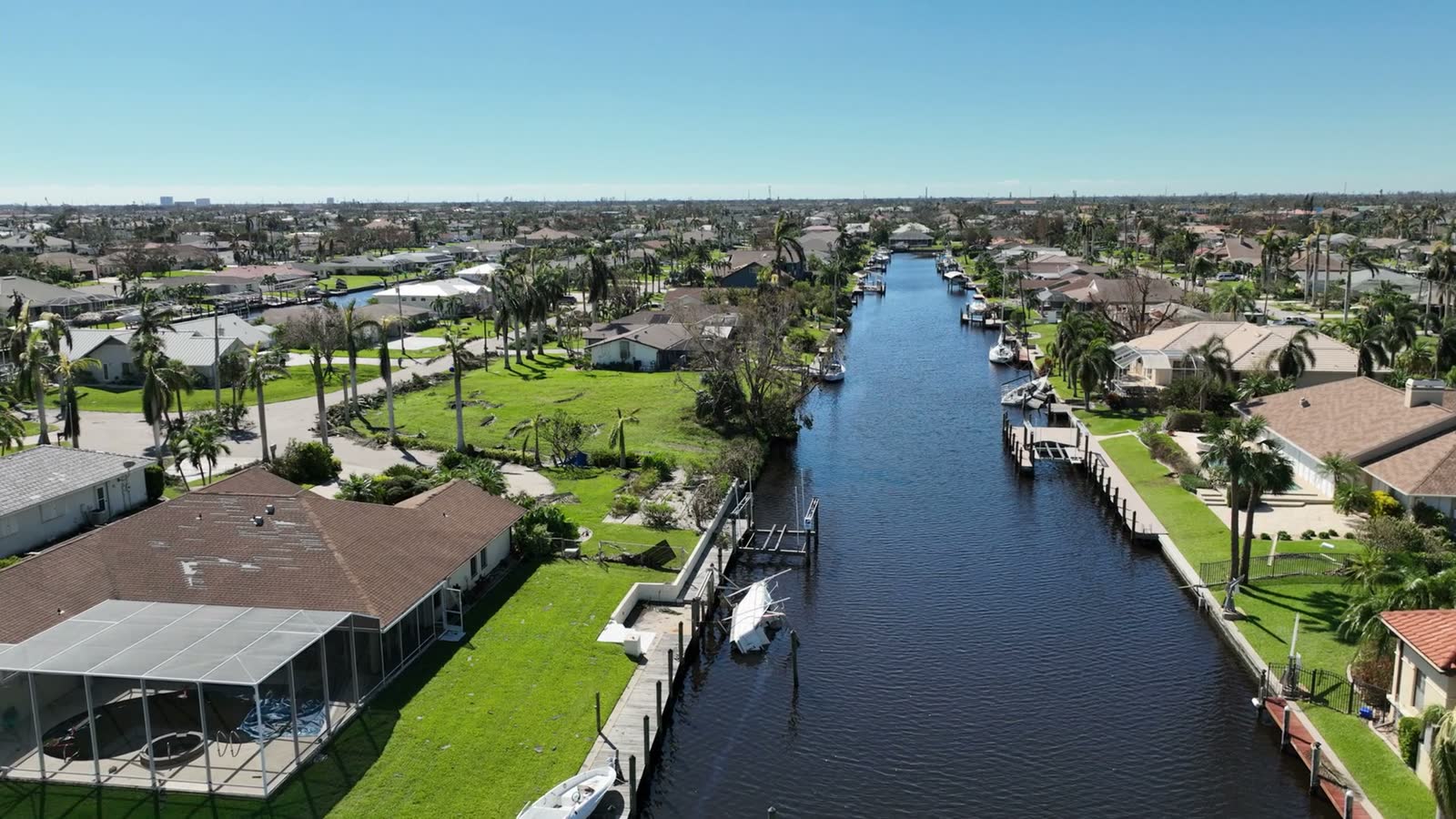
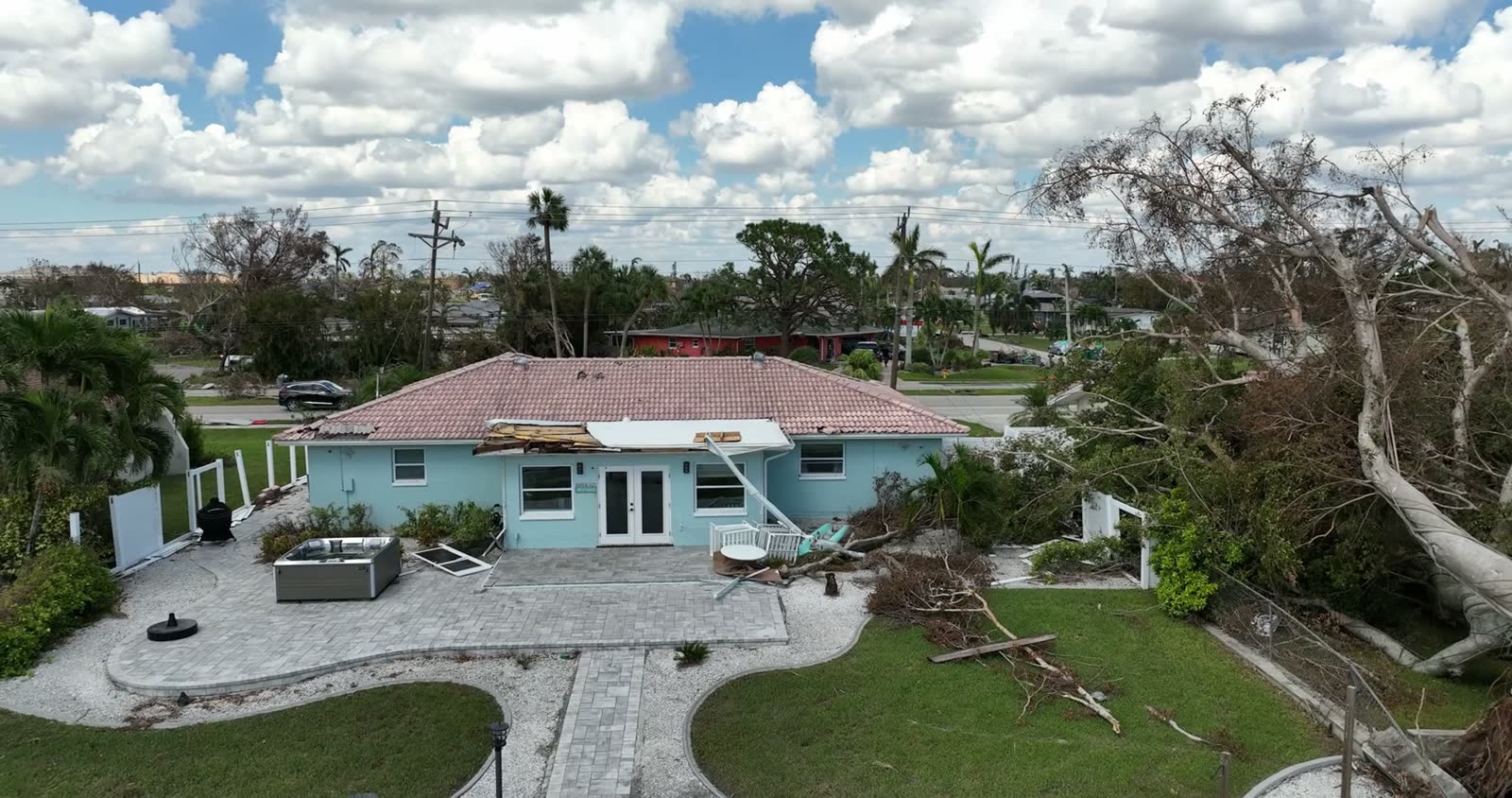
Consequential damages compensate for harm that foreseeably flowed from the carrier's failure to pay, rather than from the storm. The classic hurricane example: a roof breach the carrier should have funded goes unrepaired for months, and the delay lets water ruin interiors, cabinetry, and flooring that a timely repair would have saved. In the right facts and the right state, that added damage is the insurer's to answer for.
Categories that can fall here (availability and scope vary by state and by facts, and some are contested):
- Progressive property damage: further deterioration a funded, timely repair would have prevented.
- Financial harm: foreseeable economic losses caused by the carrier withholding money it owed.
- Emotional distress: recognized in some bad-faith settings, depending on the state and the facts.
- Interest: on the wrongfully withheld benefit, where allowed.
Each of these is a possibility, not a guarantee. They turn on proof of foreseeability, causation, and the governing state law. Treat the list as the questions a good attorney will ask about your file, not a menu of assured recoveries.
Attorney fees and costs
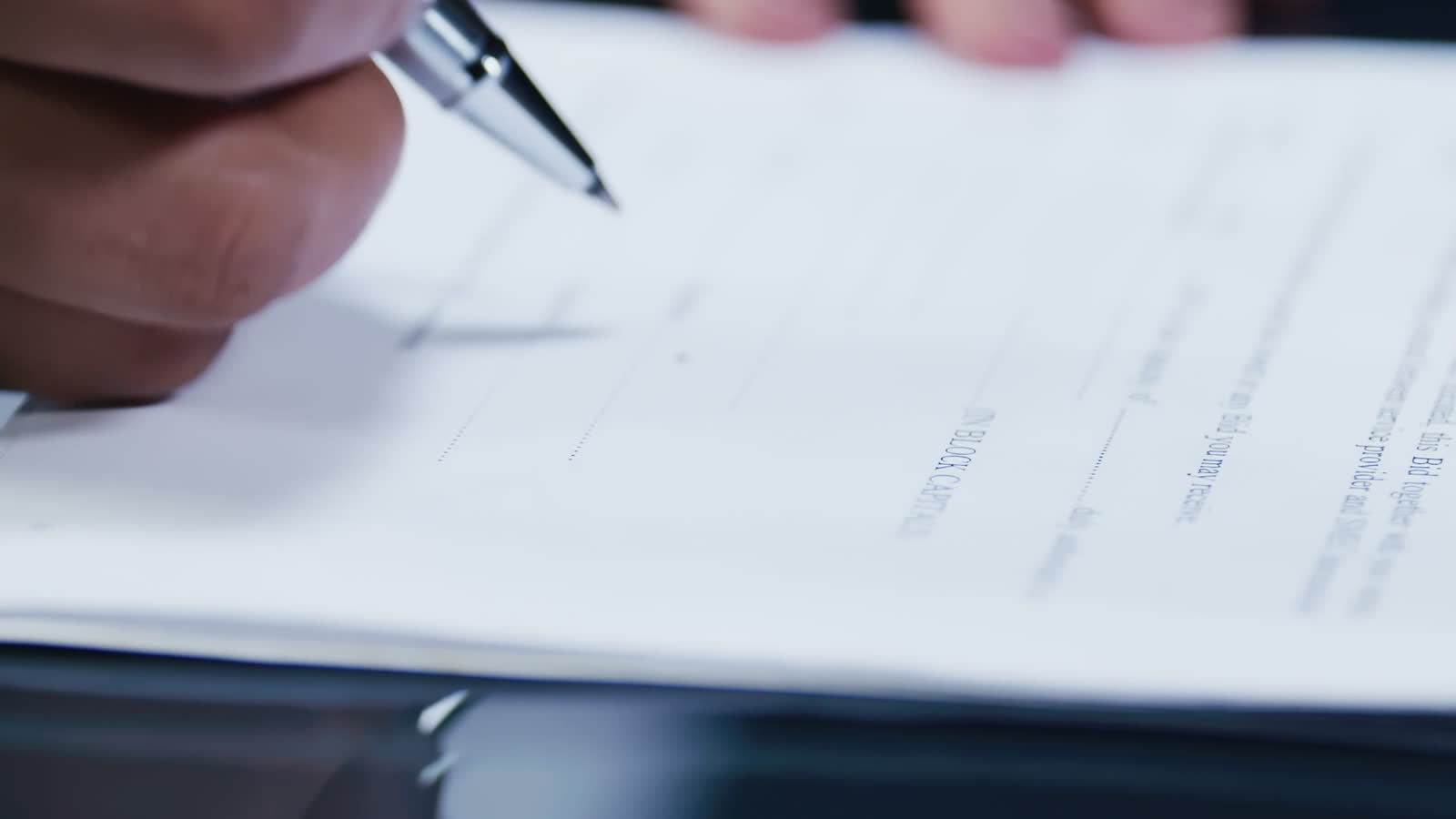
In an ordinary contract dispute each side pays its own lawyer, which can make a mid-size claim uneconomical to pursue. Fee-shifting changes that math. South Carolina's § 38-59-40 can put the insured's reasonable attorney fees on a carrier that refused a covered loss without reasonable cause (subject to statutory limits), so the cost of the fight tilts toward the party that caused it.
Florida's framework has likewise exposed insurers to fee liability in various contexts, though the rules there have shifted with recent legislation. Whether fees are recoverable in your case, and under which provision, depends on current law and the posture of the claim. It is one of the first things counsel evaluates, because it often decides whether pursuing the claim makes economic sense. See the South Carolina fee guide for the § 38-59-40 detail.
Punitive damages: the narrow door
Punitive damages punish and deter; they are not compensation, and they are not available for a garden-variety underpayment. The bar is high: the insured generally must prove the carrier acted with more than negligence, a conscious, reckless, or willful disregard of the insured's rights. And even where the conduct qualifies, the amount is constrained by state statute and by constitutional due-process limits on how large a punitive award can be relative to the actual harm.
SET EXPECTATIONS Most bad-faith claims are about consequential loss and fees, not punitive damages. The cases that reach punitives usually involve egregious, well-documented conduct, and even then the number is capped.
Florida vs. South Carolina
- Vehicle: first-party bad faith is statutory (§ 624.155), built on the unfair-practices list in § 626.9541.
- Prerequisite: a Civil Remedy Notice and cure period generally precede a first-party statutory action.
- Reach: extra-contractual damages can exceed policy limits; fee exposure exists but recent legislation has changed the rules.
- Vehicle: a common-law first-party bad-faith tort (Nichols, S.C. 1983) plus the Title 38 statutes.
- Fees: § 38-59-40 can shift reasonable attorney fees onto a carrier that refused without reasonable cause, subject to limits.
- Reach: consequential damages, potentially including mental-distress harm in appropriate cases, and punitives on egregious facts.
Not legal advice; consult an attorney about your specific claim.
Bad-faith damages FAQ
Can a bad-faith recovery exceed my policy limits?
It can. That is one of the defining features of extra-contractual damages: they are not capped by the policy's coverage limits, because they compensate for the harm the insurer's conduct caused rather than for the covered loss itself. Whether your facts support damages beyond the limits is a case-specific question for counsel.
What counts as a "consequential" loss?
Broadly, a loss that foreseeably flowed from the non-payment rather than from the storm itself. For example, additional property damage that a timely-funded repair would have prevented, or financial harm caused by the carrier sitting on money it owed. Availability and scope vary by state and by facts; some categories are contested. This is a general description, not a promise of recovery.
Will the insurance company pay my attorney fees?
Sometimes, and it depends on the path. South Carolina's § 38-59-40 can shift reasonable attorney fees onto a carrier that refused a covered loss without reasonable cause, subject to statutory limits. Florida's framework has provided fee exposure to insurers in various contexts, though the rules have changed over time. Fee recovery is never automatic. Confirm the current law with an attorney.
Can I get punitive damages?
Only in narrow circumstances. Punitive damages generally require proof the insurer acted with more than negligence (a conscious, reckless, or willful disregard of the insured's rights), and the amount is limited by statute and by constitutional due-process principles. Most claims do not meet that bar; the ones that do usually involve egregious, documented conduct.
Are emotional-distress damages available?
They may be, in some bad-faith cases, depending on the state's law and the facts. South Carolina's first-party bad-faith tort has allowed consequential damages that can include mental-distress harm in appropriate cases. This is highly fact- and jurisdiction-specific and should be evaluated by counsel, not assumed.
Do I have to win the contract claim to win bad faith?
Usually the claims are linked. You generally must establish that benefits were owed. In Florida, first-party statutory bad faith typically requires a determination of coverage and the amount owed, and for property insurers Fla. Stat. § 624.1551 requires an adverse adjudication by a court and a final judgment; a paid appraisal award or accepted offer of judgment does not qualify. The sequencing is technical and is one reason these cases are handled by attorneys.
- Fla. Stat. § 624.155: Civil remedy ↗: Florida's statutory bad-faith remedy, the vehicle for extra-contractual recovery against an insurer.
- Fla. Stat. § 626.9541: Unfair claim-settlement practices ↗: The unfair-practices conduct that underlies a Florida bad-faith theory.
- S.C. Code § 38-59-40: Attorney fees ↗: South Carolina fee-shifting when a carrier refuses a covered loss without reasonable cause (Title 38, Ch. 59).
- Nichols v. State Farm Mut. Auto. Ins. Co. (S.C. 1983): South Carolina first-party bad-faith tort: recognizes consequential damages for an unreasonable refusal to pay.
- South Carolina Department of Insurance: Consumers ↗: State regulator consumer resources and complaint intake.
What the claim can actually recover.
Bad faith matters because of the damages it reaches. A pure coverage win gets you the policy benefits. A bad-faith claim, where it applies, can reach the full loss caused by the insurer's conduct, past the policy limits, plus interest. In Florida, first-party bad faith is statutory under § 624.155, built on the unfair-practices predicate in § 626.9541(1)(i), and can include court costs and reasonable attorney fees. In South Carolina, § 38-59-40 can shift fees onto a carrier that refused a covered loss without reasonable cause. Fee recovery is never automatic.
None of this replaces the underlying claim. You document the loss and win coverage first; the bad-faith damages sit on top. Track the categories the policy already owes, including covered perils and additional living expenses. The free review below takes your denial or payment letter, the adjuster estimate, and your claim correspondence.
Underpaid, then it got worse? See what may be recoverable.
Upload the claim file and the repair estimates. You'll get a straight read on the policy benefit owed, and whether the way it was handled opens the door to more.
General information, not legal advice. No specific outcome or dollar figure is promised. Submitting does not create an attorney-client relationship.

 HURRICANELAW.PRO
 A comprehensive property-insurance claim resource for policyholders: denied and underpaid claims, coverage and bad-faith law, storm dossiers, carrier profiles, city guides, and the complete claims playbook. Florida and South Carolina.
▸ SEE THE FULL SITE MAP →Coverage summaries, policy-language quotations, dollar figures, deadlines, and chart examples throughout this site are general information based on typical or standard policy forms and are illustrative only: they are not a quote, a guarantee of coverage, or a promise of any outcome. Every insurance policy is different: your own policy, endorsements, and state law control, so read your policy and confirm current statutes. Weather imagery courtesy of NOAA, the National Hurricane Center, and the National Weather Service. Legal services are provided by Halversen Law. Nothing on this site is legal advice; consult an attorney about your specific claim.
Legal matters are handled by Halversen Law, a law firm licensed in Florida and South Carolina.