- •Fire is covered on every standard form, named-peril or open-peril, and fire ensuing from excluded water is typically covered too.
- •Total loss in FL = face amount of the policy under the Valued Policy Law (§ 627.702); since 2005, mixed-peril losses are apportioned, the Mierzwa/Charley fix.
- •Smoke, soot, and odor beyond the burn room are part of the loss. The fight is scope, hygienist testing beats a "clean the one room" estimate.
- •Lightning is a covered peril; utility power surge often isn't (for electronics). A strike-verification report decides which one you have.
- •An examination-under-oath notice means the carrier is testing an arson/fraud theory it must prove. Appear, with counsel.
The one peril in every policy
Property insurance began as fire insurance, and the forms still show it. On named-peril policies, HO-1, HO-2, the DP-1 dwelling form, and most contents coverage, fire and lightning are the first perils on the list. On open-peril forms, the HO-3's dwelling coverage, the HO-5, fire is covered because nothing excludes it. There is no "fire deductible" fight, no fire exclusion to construe, no anti-concurrent-causation clause aimed at flames. In a policy architecture built from exclusions, fire is the peril the whole contract exists to cover.
It even survives the exclusions. The standard water-damage exclusion, the clause that takes out flood and surge, carves fire back in: loss by fire resulting from excluded water is covered. The same ensuing-loss logic runs through most exclusion sections. That carve-back is why the post-storm electrical fires discussed below are homeowners claims even in flooded houses.
THE FIRE CARVE-BACK INSIDE THE WATER EXCLUSION (ISO HO-3 FORM, TYPICAL WORDING)"We do not insure for loss caused directly or indirectly by … Water … However, direct loss by fire, explosion or theft resulting from any of the above is covered."
So why does a fire claim ever get fought? Four ways, and they are the rest of this page: the carrier disputes the valuation of a total loss; it under-scopes the smoke; it re-labels lightning as an uncovered surge; or it turns the investigation on the insured. Different fights, different evidence, same peril.
Total loss: the Valued Policy Law and the Mierzwa story
When a covered fire takes the whole building, Florida law removes the valuation argument. The Valued Policy Law, Fla. Stat. § 627.702, on the books since 1899, fixes the insurer's liability for a covered total loss at the face amount of the policy: the Coverage A limit you insured for and paid premium on. No post-fire appraisal of what the building was "really worth," no depreciation haircut on a home that no longer exists. The premium bought the number on the declarations page; a total loss collects it. South Carolina has its own valued-policy statute for real-property fire losses, S.C. Code § 38-75-20, with the same core logic.
FLA. STAT. § 627.702(1), THE VALUED POLICY LAW (CORE PROVISION, PARAPHRASED CLOSELY)"In the event of the total loss of any building … insured … as to a covered peril … the insurer's liability under the policy for such total loss, if caused by a covered peril, shall be in the amount of money for which such property was so insured … and for which a premium has been charged and paid."
The statute's modern shape was forged by a hurricane, not a fire. Weeks before Charley's 2004 landfall, Florida's Fourth DCA decided Mierzwa v. Florida Windstorm Underwriting Ass'n: under the VPL as then written, if the building was a total loss and a covered peril (wind) contributed to it at all, the wind carrier owed full policy limits, even where excluded flood caused much of the destruction. Applied across the four-storm 2004 season's total losses, that reading put enormous uncovered exposure on carriers, and in 2005 the Legislature amended § 627.702, the "Mierzwa fix." The current rule: in a mixed covered/excluded-peril total loss, the insurer pays only the portion attributable to the covered peril, unless the covered peril alone would have caused a total loss, in which case the full face amount still applies. For a pure fire total loss, nothing is mixed: the face amount is the number.
The live disputes under the VPL are narrower but real. Is it "total"? Florida courts apply the ordinance version of the test too: a building can be a constructive total loss where code requires demolition or where repair is impractical, a partially standing, burned-out shell can still trigger the statute. What about underinsurance? The VPL fixes the number at the face amount, which cuts both ways. If coverage limits lagged construction-cost inflation, the "full" payment can be far below rebuild cost; the ordinance-and-law and extended-replacement endorsements are the pre-loss fix. And ACV? For partial fire losses the VPL does not apply. You are in ordinary adjustment: repair scope, actual-cash-value holdbacks, and recoverable depreciation, the same machinery covered in the depreciation guide.
Smoke: the scoping fight beyond the burn
Most residential fires are partial losses, a kitchen, a garage, one bedroom. The flames are contained; the smoke is not. Combustion residues travel the whole structure through open plans and HVAC ducting, and they are not passive dirt: soot is acidic and progressively corrosive (electronics and metal fixtures degrade for weeks after the fire), char particulate embeds in porous materials, and protein residues from kitchen fires leave films and odor that survive ordinary cleaning. The industry's own reference, the IICRC S700 fire and smoke damage restoration standard, treats assessment, whole-structure cleaning, HVAC decontamination, and odor sealing as the default protocol, not the upgrade.
The standard scoping fight: the carrier's estimate cleans and repaints the burn room and "affected areas," while rooms that smell like a campfire are written off as needing "deodorization" line items, or nothing. The counter is measurement, not adjectives. An independent hygienist samples for soot and combustion byproducts in distant rooms, inside ductwork, and on contents; a restoration contractor prices the S700-consistent protocol from those findings, source removal, HEPA and wet cleaning, duct decontamination, sealing, and thermal fogging or hydroxyl treatment for absorbed odor. Contents follow the same logic: textiles, upholstery, and electronics are tested and either restored or scheduled as losses. "It still smells" is an argument; a contamination report is evidence.
Two traps. First, don't over-clean early: DIY scrubbing can smear soot deeper into surfaces and destroy the sampling evidence that proves distribution. Emergency mitigation, yes, full cleanup before documentation, no. Second, watch the "matching" line: partial replacement of smoke-stained finishes raises the same uniform-appearance issues as roof repairs, the matching guide covers the rules state by state.
Lightning vs. power surge: same dead TV, different claim
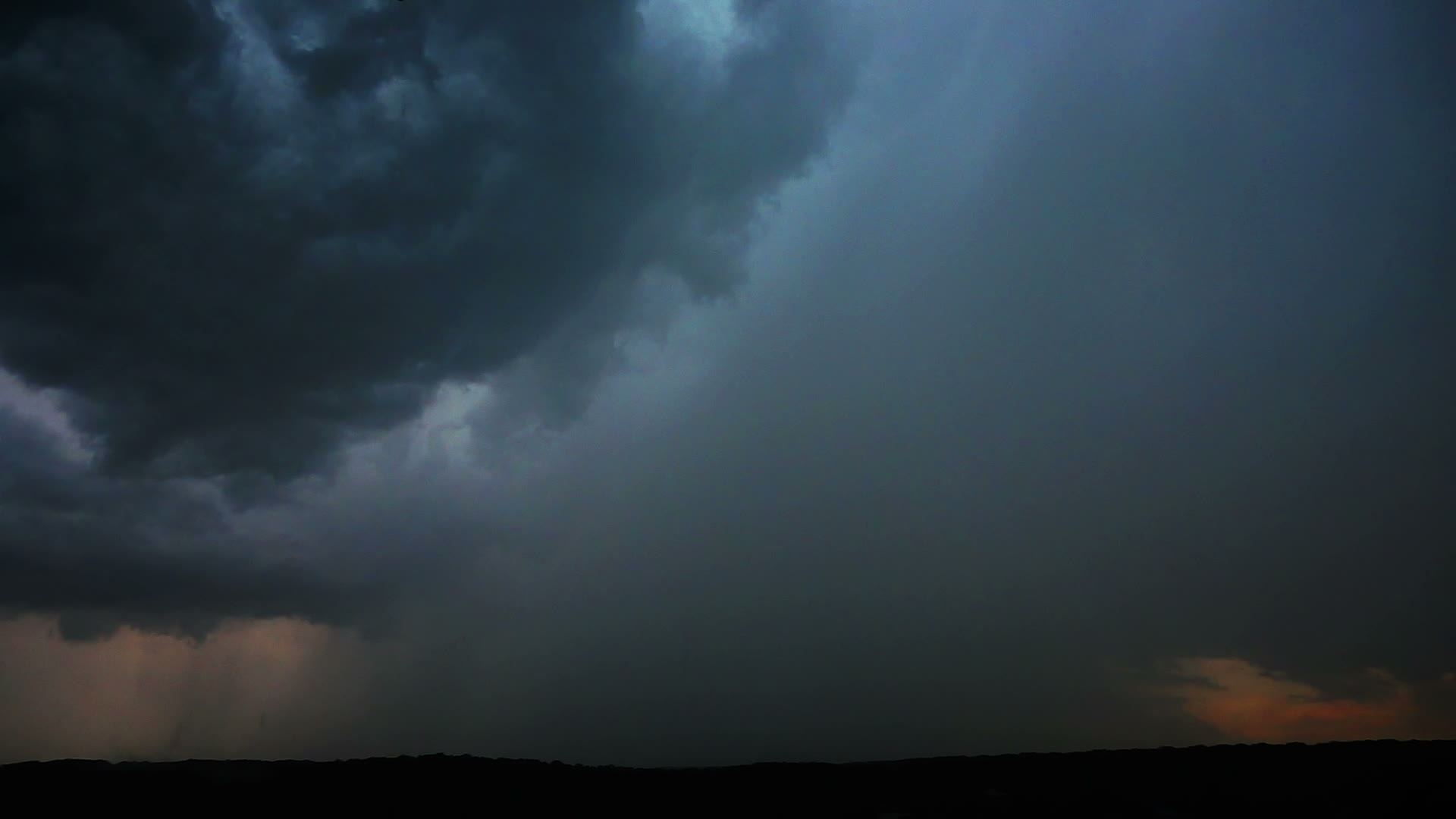
Lightning is real money: U.S. insurers paid $1.04 billion on 55,537 lightning-related homeowners claims in 2024, an average of $18,641 per claim, and per Triple-I's trend data, claim counts have fallen by about a third since 2017 while average severity rose nearly 73 percent, because what lightning kills now is panel-connected electronics, HVAC boards, and smart-home systems rather than a television.
The coverage line runs through the cause, not the damage. Lightning, an actual atmospheric strike at or near the property, is a named peril, covered on every form. "Artificially generated electrical current", a utility-side surge from grid switching, a downed line, or a transformer failure, is a different animal: standard named-peril contents wording covers sudden electrical damage but carves out tubes, transistors, electronic components and circuitry, which is to say almost everything modern. Surge-specific endorsements buy that gap back. When your electronics die in a storm, the carrier's label, lightning or surge, can decide the claim, and adjusters reach for the cheaper label.
Dead electronics after a storm, which claim is it?
The label decides the outcome; the strike data decides the label. Pull a strike-verification report for the loss date, then follow the branch.
Covered, lightning is a named peril
Dwelling and contents respond. The electrician's report sets the scope; keep the dead devices for the carrier's inspection.
What proves it
NLDN strike data for your coordinates, scorch or arcing at the panel, and simultaneous failures across multiple systems.
Electronics carve-out likely applies
Grid switching, a downed line, or a transformer failure is "artificially generated electrical current" , standard forms carve electronic components and circuitry out of coverage.
Alternate routes
A surge endorsement if you carry one, a claim against the utility, or manufacturer and warranty coverage for the failed devices.
Evidence either way: strike-verification report (e.g., Vaisala STRIKEnet), a licensed electrician's panel findings, the failure pattern across devices, utility outage and switching records, and photos before any replacement. Typical form treatment. Your policy's wording and endorsements control.
SOURCES: ISO HO-FORM NAMED-PERIL WORDING (TYPICAL) · TRIPLE-I 2024 LIGHTNING CLAIMS DATA · VAISALA NLDN STRIKE-VERIFICATION SERVICES
Practical sequence when the storm kills your electronics: photograph the panel and every failed device before anything is repaired or discarded; get the electrician's written findings; order the strike-verification report for your coordinates and the loss date; and file with the cause stated precisely. If the report shows recorded strokes at your address, you have a lightning claim and the carve-out never enters the conversation.
Accused of arson: the examination under oath
Fire is the one peril where the investigation can turn on the policyholder. When a fire's origin looks incendiary , multiple points of origin, accelerant indicators, a fire-marshal referral, or when the insured's finances look strained, carriers work up a fraud defense. The legal baseline favors you: arson is an affirmative defense the carrier must prove, generally by showing the fire was intentionally set plus the insured's motive and opportunity. Suspicion is not proof, and a denied fire claim built on innuendo is a bad-faith exposure for the carrier. But the investigation phase has real teeth, and the sharpest is the examination under oath.
The EUO is a policy condition: sworn testimony, on the record, before a court reporter, with the carrier's counsel asking the questions, and compliance is generally a precondition to suing on the policy. Refusing to appear can forfeit the claim by itself, independent of what actually caused the fire. The working rules: appear; bring counsel (you are generally entitled to have your attorney present); get the transcript; produce documents through an organized, tracked production rather than an open file cabinet; and treat financial-records requests seriously. They are discoverable in scope disputes, and stonewalling reads as concealment. Where a criminal investigation is open in parallel, the Fifth Amendment tension between EUO obligations and criminal exposure is exactly the situation in which no one should proceed without counsel. An EUO notice on a fire claim is the carrier saying, formally, that it is testing a theory against you, answer it with the same formality.
Post-storm electrical fires: the flood that ends in flames
Hurricanes start fires on a delay. Saltwater is conductive and corrosive; when it soaks panels, wiring, and battery systems, ignition can come hours to weeks later, when power is restored to compromised circuits, or when salt-contaminated lithium-ion cells short internally. After Ian, NHTSA counted 3,000-5,000 flood-damaged EVs in Florida, and 36 caught fire, several igniting the houses they were parked against, prompting the State Fire Marshal to call saltwater-flooded batteries "ticking time bombs." Helene's 2024 surge repeated the pattern: 11 EVs and 48 lithium-battery devices (scooters, golf carts, power walls) ignited after saltwater exposure. Add rooftop solar and home battery storage, and the post-storm house carries ignition sources the fire code never used to worry about.
The coverage mechanics run through the carve-back quoted in section 01: fire ensuing from excluded water is a covered fire loss. A house that took two feet of excluded surge and then burned generally has a homeowners claim for the fire and smoke damage, with a causation file to build. Document the timeline (flood first, fire later), get the fire-department report and an electrician's or investigator's origin findings, and keep the flood claim and the fire claim scoped separately: the flood policy (or nothing) owes the water damage, the homeowners policy owes the burn. Vehicle fires route to auto comprehensive, not homeowners, but a car fire that spreads to the structure puts the structure loss back on the homeowners policy. Prevention notes worth following (NFPA guidance): after saltwater flooding, don't re-energize until a licensed electrician clears the system, and stage flood-exposed EVs and battery devices away from the structure.
Lightning plays the same delayed game in storm country. Florida leads the nation in strike density; a season's near-miss can degrade wiring insulation that fails months later. The storm-history lookup covers what hit your address and when, useful when a carrier claims the damage predates the policy.
Documenting the fire claim
Four records carry fire, lightning, and smoke claims. As with every peril on this site: the evidence exists only if it is created before the cleanup erases it.
The fire report and the scene
The fire department incident report and any fire-marshal origin-and-cause investigation are the spine of the claim. Get copies early. Do not authorize debris removal or panel replacement until the scene, especially the suspected origin area and the electrical panel, is photographed and, in a disputed case, inspected by your own expert.
Lightning strike verification
National lightning-detection networks record the time, location, and polarity of strikes. Commercial strike-verification reports (e.g., Vaisala's STRIKEnet, built on the National Lightning Detection Network) place recorded strokes relative to your address, the single strongest exhibit for a lightning claim, and cheap compared to what it proves.
Panel and appliance evidence
A licensed electrician's inspection documenting arcing, scorched buses, tripped breakers, and failed devices, with photos before anything is replaced, ties dead electronics to the event. Keep the damaged devices; carriers are entitled to inspect them, and discarding them invites a spoliation argument.
Contamination testing
Independent hygienist sampling for soot, char, and combustion residues in rooms far from the burn documents what the eye can't: acidic residue on electronics and HVAC interiors, absorbed odor in porous contents. Testing is how "clean the burn room" becomes the whole-house scope the loss actually requires.
Shot-by-shot photo method: our photo documentation guide · deadline math: deadline countdown · strike history for your address: storm history lookup.
Florida vs. South Carolina
- Total loss: Valued Policy Law, § 627.702, face amount for covered total losses; post-2005 apportionment for mixed covered/excluded perils (the Mierzwa fix).
- Claim handling: § 627.70131, acknowledgment, inspection, and pay-or-deny clocks (60-day pay-or-deny); § 627.70132's 1-year/18-month notice windows apply to hurricane and windstorm claims.
- Lightning exposure: perennial national leader in strike density and among the leaders in lightning claims, surge-vs-lightning labeling fights are routine.
- Escalation: DFS mediation, appraisal where provided, mandatory pre-suit notice; civil-remedy notice for claim-handling misconduct.
- Total loss: valued-policy statute for real-property fire losses, S.C. Code § 38-75-20, the insured value stated in the policy is the measure for a total fire loss.
- Claim handling: "prompt" notice per policy; no fixed pay-or-deny statute (reasonableness standard); 3-year contract suit period.
- Lightning exposure: active summer strike season on the coast and Midlands; same named-peril forms, same surge carve-out fights.
- Escalation: SC DOI consumer complaint, appraisal, and the improper-claims-practices law (S.C. Code § 38-59-20) as the conduct backstop.
Statutes and deadlines shown are general rules as of July 2026; policy wording and current statute control. Verify both before acting.
Fire, lightning, and smoke, the questions everyone asks
Is fire damage always covered by homeowners insurance?
Fire is covered under every standard form. It is the first named peril on named-peril policies (HO-1, HO-2, DP-1) and is not excluded on open-peril forms (HO-3 dwelling coverage). Even the water-damage exclusion carves fire back in: fire that results from an excluded water event is typically covered. The realistic fights are not about whether fire is covered but about valuation, smoke scope, cause (lightning vs. surge), and, in a minority of cases, arson accusations.
My house burned down. Does the insurer owe the full policy amount?
In Florida, generally yes for a covered total loss: the Valued Policy Law (Fla. Stat. § 627.702) fixes the insurer's liability at the face amount of the policy for a total loss by a covered peril, no post-fire renegotiation of the building's value. South Carolina has a valued-policy statute for real-property fire losses as well (S.C. Code § 38-75-20). The fights are over whether the loss is "total" (repair cost vs. value, ordinance requirements) and, in mixed-peril storm losses, the post-2005 apportionment rule.
What did Mierzwa and Hurricane Charley change about total-loss claims?
Weeks before Charley's 2004 landfall, Florida's Fourth DCA held in Mierzwa v. Florida Windstorm Underwriting Ass'n that if a building was a total loss and a covered peril contributed at all, the carrier owed full policy limits, even if an excluded peril caused much of the damage. Policyholders invoked it across the 2004 storms; the Legislature answered in 2005 by amending § 627.702 so the insurer pays only the portion caused by the covered peril in mixed-peril losses, unless the covered peril alone would have caused the total loss, in which case the full face amount still applies.
The fire was small but the whole house smells like smoke. Is that covered?
Smoke is part of the fire loss, soot, char, and odor damage beyond the burn room are compensable, and smoke is itself a named peril on standard forms. The dispute is scope: carriers estimate cleaning near the burn; restoration science (documented by hygienist testing) routinely shows acidic soot residue and absorbed odor in HVAC systems, electronics, and porous contents throughout the structure. Independent testing plus a fire-restoration protocol is how the scope gets corrected.
Lightning fried my electronics. Why is the carrier calling it a power surge?
Because the label can change the outcome. Lightning is a covered named peril. "Artificially generated electrical current", a utility-side surge from grid switching or line damage, is treated differently: standard forms limit or exclude resulting damage to electronic components, unless you carry a surge endorsement. The counter is evidence: a lightning strike-verification report for your coordinates on the loss date, an electrician's findings, and the failure pattern (many devices at once, phone/coax/panel entry points) that marks a strike rather than a grid event.
The carrier wants an examination under oath and my financial records. Can they do that?
Almost certainly yes, the examination under oath (EUO) is a policy condition, and refusing to appear can forfeit coverage. Broad financial discovery signals the carrier is working up an arson or fraud theory, on which the carrier bears the burden of proof. Treat the EUO as sworn testimony that will be transcribed and used: you are generally entitled to counsel present, to a copy of the transcript, and to reasonable scheduling. An EUO notice in a fire claim is the point where getting counsel stops being optional in practice.
A fire started in my flooded house days after the hurricane. Which policy pays?
Post-storm electrical fires, saltwater-corroded wiring, energized circuits in wet walls, and lithium-ion batteries after saltwater exposure, are fire losses. Standard water exclusions carve back coverage for fire that ensues from excluded water, so the homeowners policy generally responds to the fire and smoke damage even where the flood itself was excluded. Expect a causation file: fire-department report, electrician findings, and a timeline separating the flood damage (flood policy or uncovered) from the fire damage (homeowners).
- FLA. LEGISLATURE Fla. Stat. § 627.702, Valued Policy Law ↗
- FINDLAW Mierzwa v. Florida Windstorm Underwriting Ass'n, 877 So. 2d 774 (Fla. 4th DCA 2004) ↗
- FLORIDA BAR Florida Bar Journal, the Valued Policy Law after Mierzwa ↗
- SC LEGISLATURE S.C. Code § 38-75-20, valued policy (real property fire losses) ↗
- TRIPLE-I Triple-I, lightning caused $1.04B in US homeowners claim payouts in 2024 ↗
- VAISALA Vaisala, National Lightning Detection Network / STRIKEnet strike verification ↗
- NOAA / NHC NHC Tropical Cyclone Report, Hurricane Ian (PDF) ↗
- ABC NEWS / NHTSA ABC News, Ian-flooded EVs "ticking time bombs" (NHTSA: 36 post-Ian EV fires) ↗
- CTIF CTIF: 11 EVs and 48 lithium-battery devices ignited after Helene saltwater flooding ↗
- NFPA NFPA: lithium-ion battery safety after storms and flooding ↗
- IICRC IICRC S700, Standard for Professional Fire and Smoke Damage Restoration ↗
- FLA. LEGISLATURE Fla. Stat. § 627.70131, insurer claim-handling deadlines ↗
Not legal advice; consult an attorney about your specific claim. Lightning claims statistics as reported by the Insurance Information Institute (Triple-I).
Fire, lightning, and smoke are covered perils
Fire, lightning, and smoke are named perils on standard homeowners policies, so they need no separate policy the way surge or flood do. The coverage holds after a hurricane too, when downed lines arc or saltwater-flooded batteries ignite days after the water recedes. Smoke and soot are part of the same loss: damage counts even where flames never reached the room, and when the home is unsafe to occupy, additional living expenses pays for temporary housing while repairs run.
The dispute is usually scope, not coverage. Carriers pay the visibly burned area, then resist the smoke spread, the electronics a surge fried, and the cleaning a habitable home needs. Those tactics are broken down across the denials library, and the record that answers them is built at the scene, before cleanup, which is why the photo protocol matters. If your claim was denied, underpaid, or stalled, work the claims steps, get a public adjuster to scope the full loss, and know a claim left unpaid past the statutory clock can cross into bad faith. Start with the free review below.
Underpaid on the smoke, or accused over the fire? Get it read.
Upload the estimate or denial, the fire report, and any strike or testing data. You'll get a straight answer on the total-loss math, the smoke scope, the lightning-vs-surge label, or what an EUO notice really means for your claim.

 HURRICANELAW.PRO
 A comprehensive property-insurance claim resource for policyholders: denied and underpaid claims, coverage and bad-faith law, storm dossiers, carrier profiles, city guides, and the complete claims playbook. Florida and South Carolina.
▸ SEE THE FULL SITE MAP →Coverage summaries, policy-language quotations, dollar figures, deadlines, and chart examples throughout this site are general information based on typical or standard policy forms and are illustrative only: they are not a quote, a guarantee of coverage, or a promise of any outcome. Every insurance policy is different: your own policy, endorsements, and state law control, so read your policy and confirm current statutes. Weather imagery courtesy of NOAA, the National Hurricane Center, and the National Weather Service. Legal services are provided by Halversen Law. Nothing on this site is legal advice; consult an attorney about your specific claim.
Legal matters are handled by Halversen Law, a law firm licensed in Florida and South Carolina.