
The storm
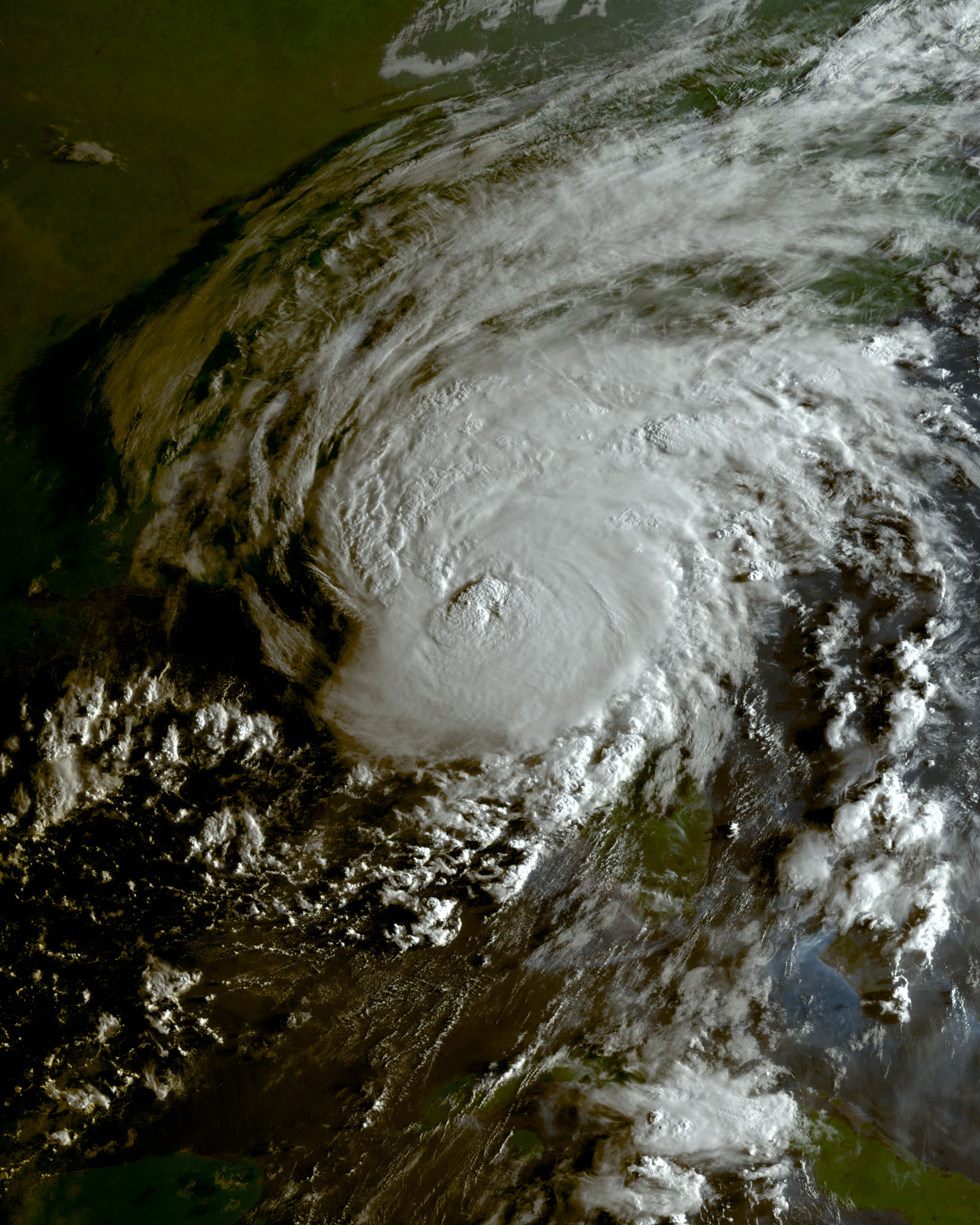
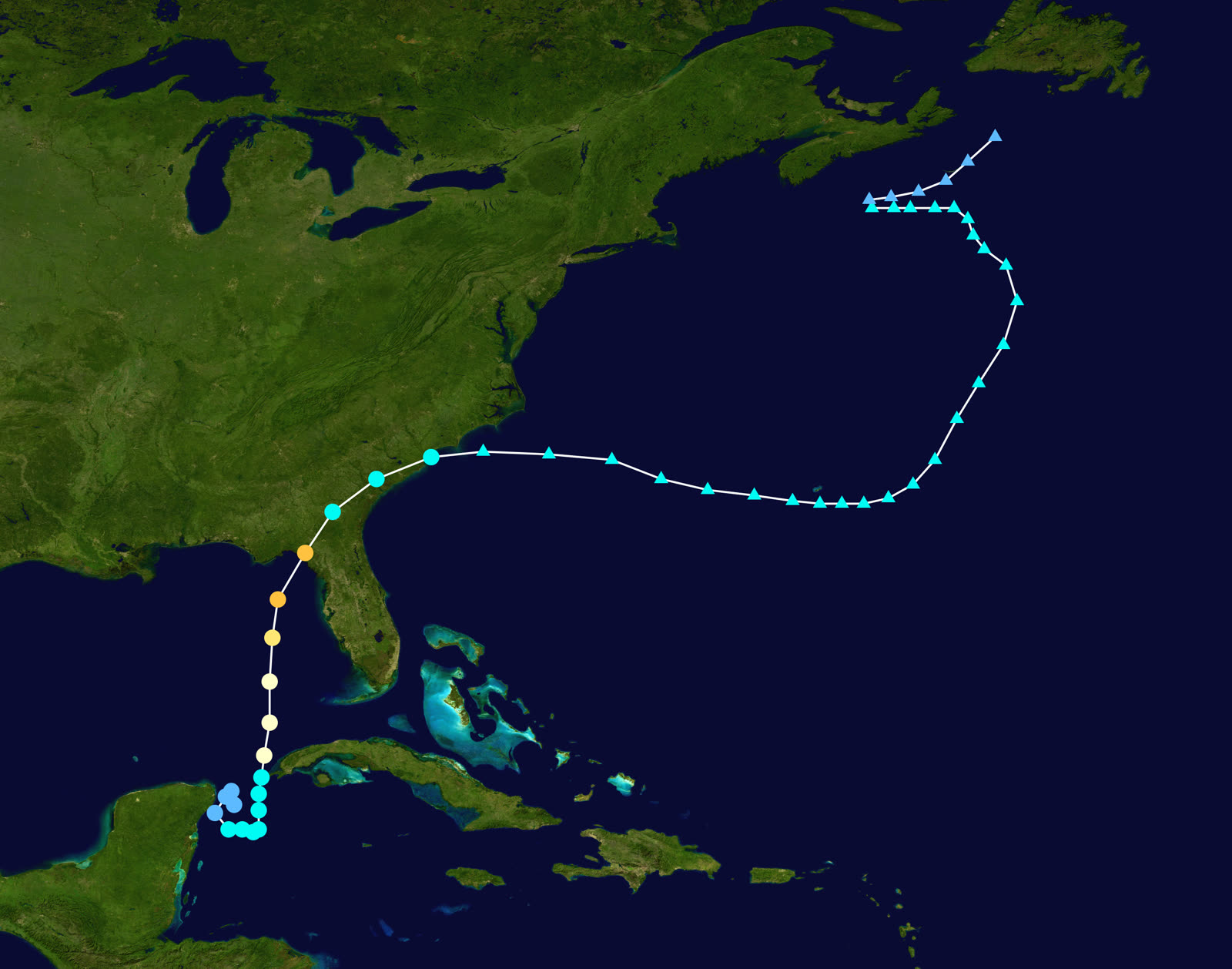
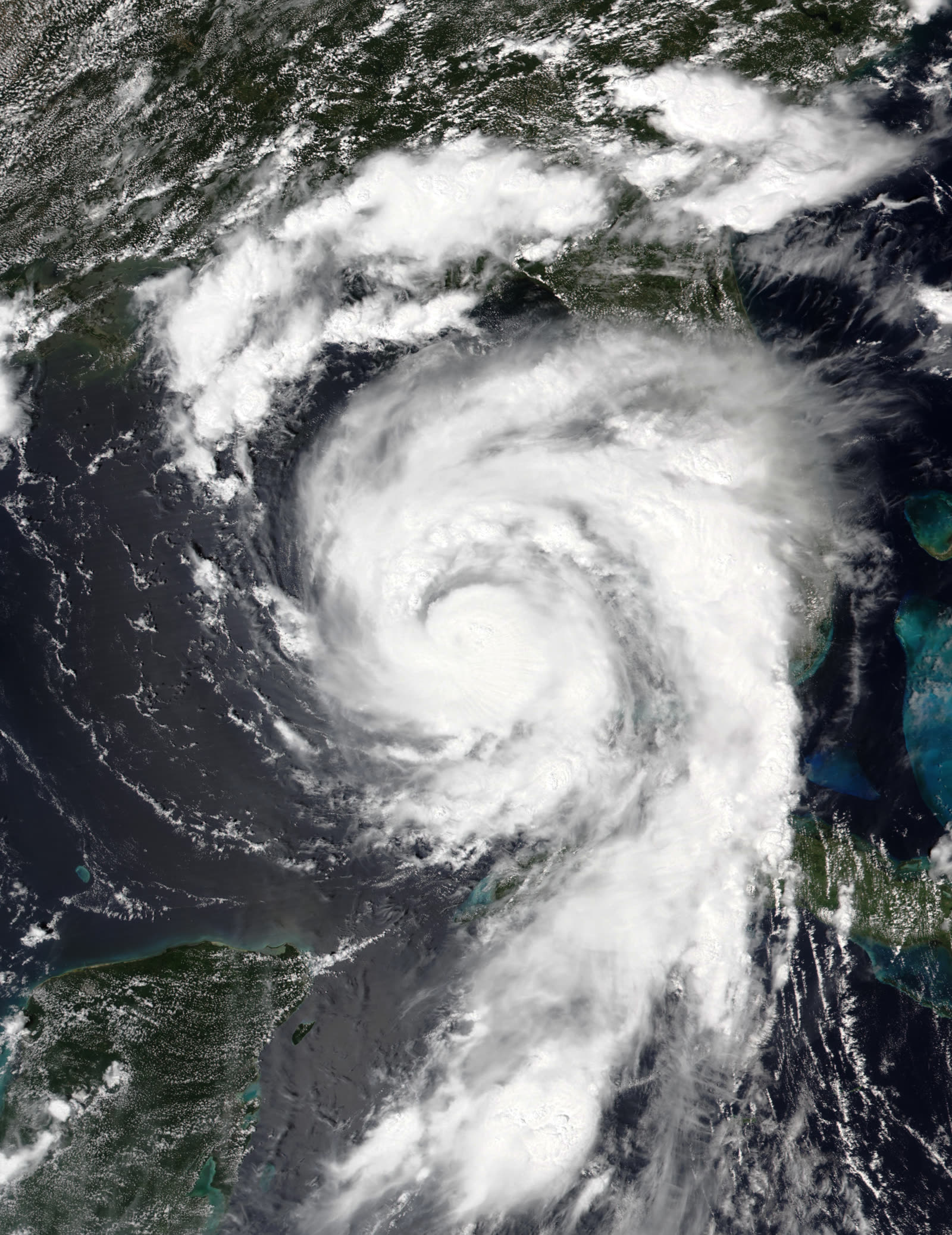
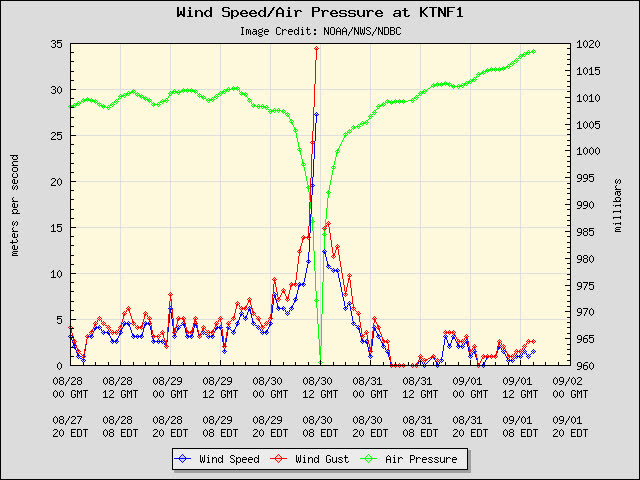
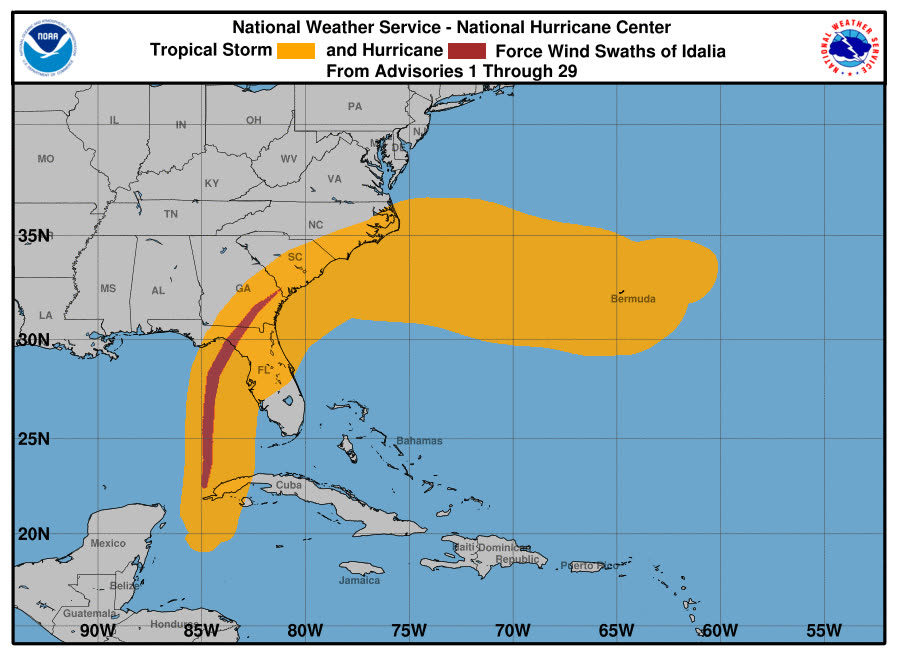
Idalia organized near the Yucatan Channel in late August 2023 and did what the new-era Gulf does to storms: over record-warm water, it jumped from 90 mph to 130 mph in the final 24 hours before landfall, briefly reaching Category 4 overnight. An eyewall replacement cycle trimmed it slightly, and Idalia struck Keaton Beach at 7:45 a.m. EDT on August 30 as a Category 3, 125 mph, 949 mb, the strongest hurricane to strike Florida's Apalachee Bay in records cited back to 1851.
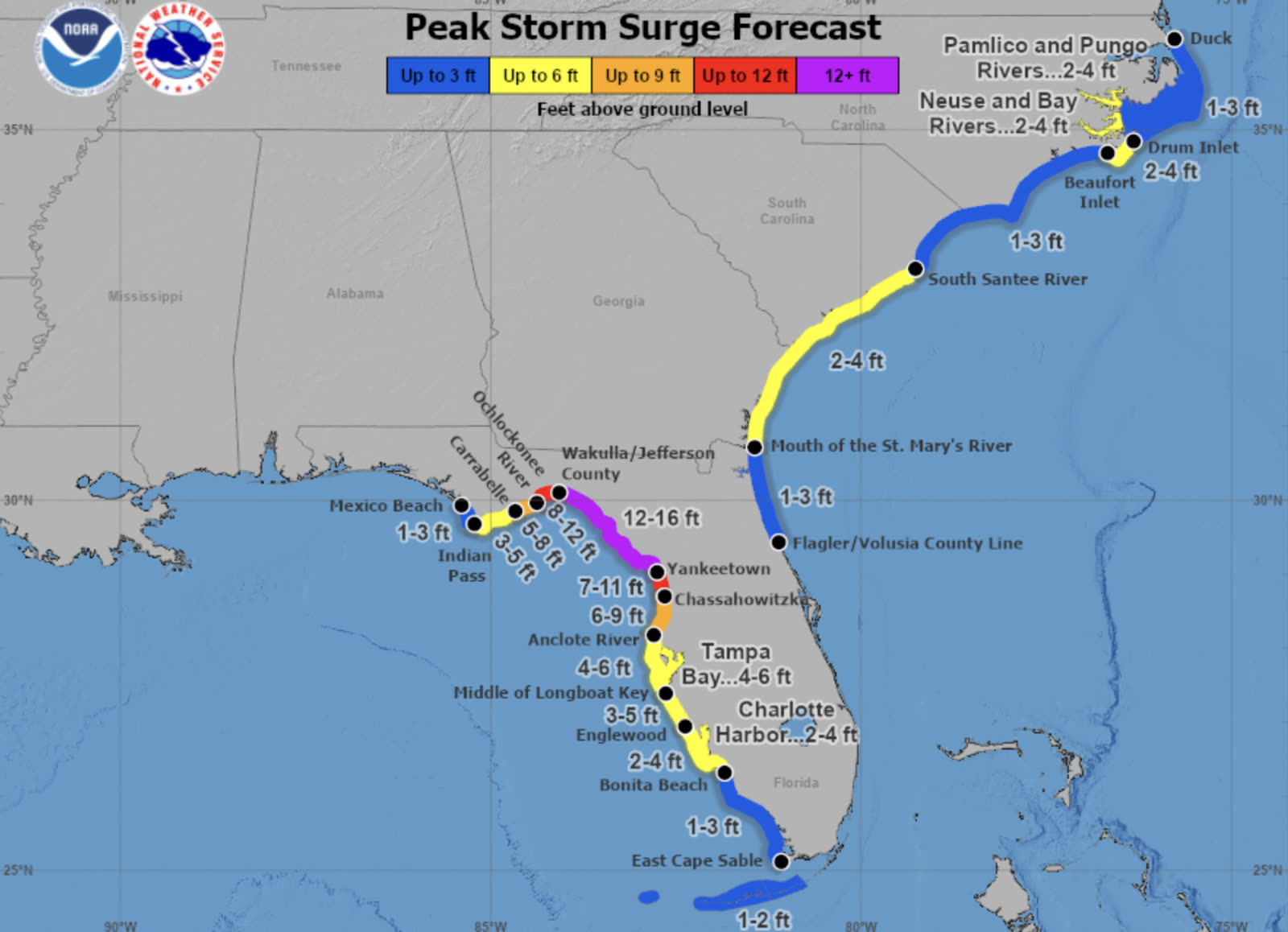
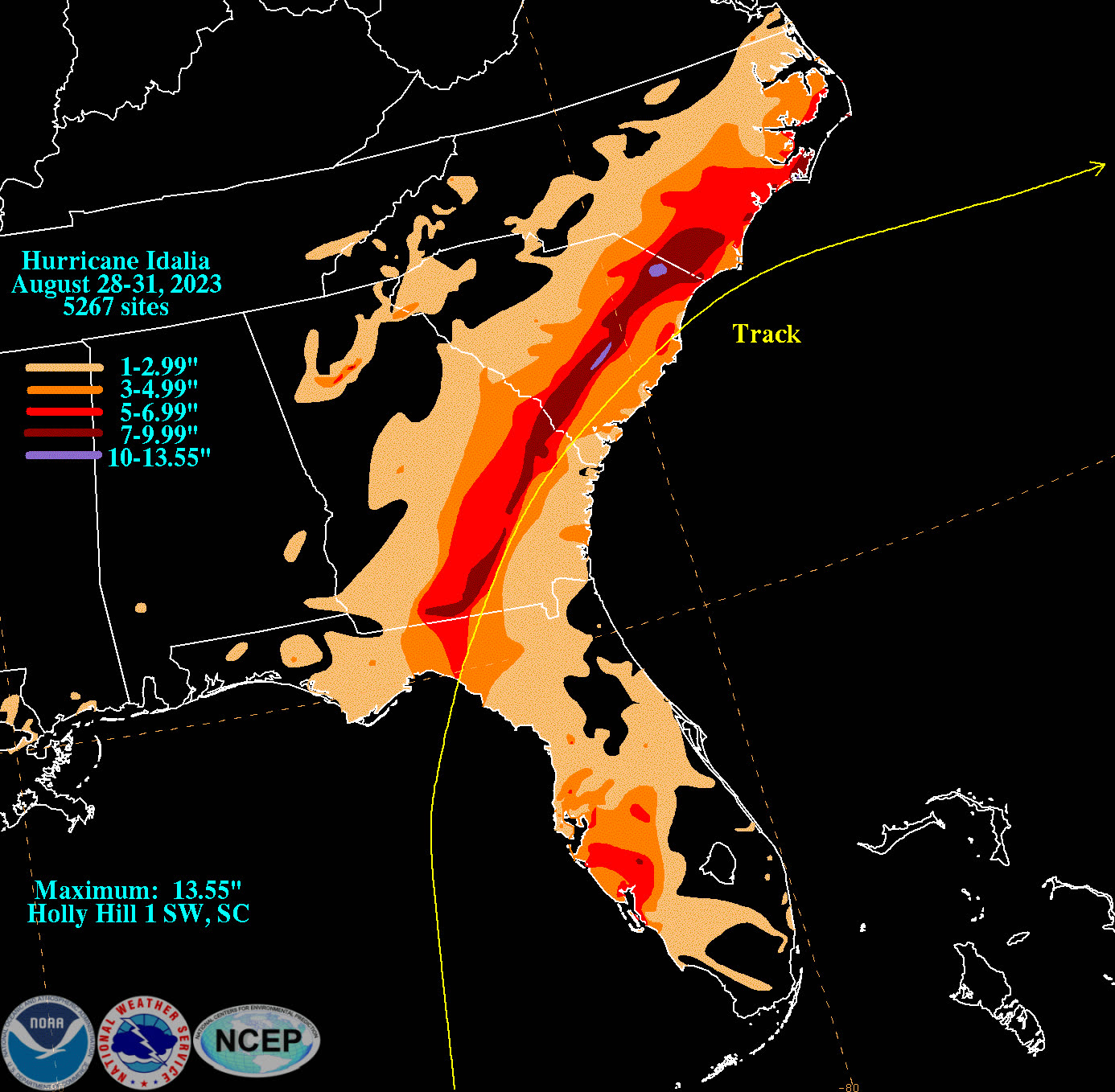
The Big Bend is Florida's emptiest coastline, and that shaped everything. Peak surge of 7-12 feet swept fishing villages, Keaton Beach, Steinhatchee, Horseshoe Beach, Dekle Beach, and a record storm tide near 7 feet flooded Cedar Key's historic downtown. The eye then crossed Perry with damaging winds, carried hurricane conditions to Valdosta, Georgia, and pushed a top-five tide into Charleston Harbor before exiting near the Outer Banks. Twelve deaths and $3.6 billion in damage were attributed to the storm.
The damage
At the coast, surge did what surge does to older elevated-on-blocks fishing cottages: houses off foundations, ground floors gutted, docks and fish houses gone. Inland was a wind event, Perry lost roofs across town, timberland losses ran heavy through Taylor, Madison, and Suwannee counties, and falling trees accounted for much of the residential damage far from the water. Suwannee County, entirely inland, filed more insurance claims (3,024) than any coastal county; Taylor was second at 2,898.
The insurance aftermath
Idalia's defining statistic is a gap: a Category 3 major hurricane, $3.6 billion in total damage, and only $309.5 million in insured losses on 25,047 claims in FLOIR's final data call. Compare Ian's 700,000+ claims a year earlier. The Big Bend simply wasn't insured the way coastal Florida is.
Three gaps stacked on each other. First, flood: the surge-swept coastal counties had among the lowest NFIP take-up rates in Florida, a few hundred policies in some counties, so the worst-hit homes had no flood coverage. Second, wind: the region's older, rural housing stock included many homes carrying no property insurance at all, priced out by the market crisis or owned outright with no lender requiring coverage. Third, adequacy: policies that did exist often carried actual-cash-value roof limitations and percentage deductibles that swallowed small-town claim values. Of the 25,047 claims filed, 7,383, nearly 30%, closed without payment; by December, FLOIR reported more than half of combined Ian-Idalia claims had closed unpaid.
The market absorbed Idalia easily, Citizens, the state-backed insurer, counted only about 2,000 claims and no assessment risk, which is itself the point: the losses fell on households, FEMA (DR-4734), and SBA loans rather than carriers. Regulators later fined insurers over mishandled hurricane claims, citing error rates above 80% on some Idalia claim samples.
Idalia was also strike one of three. Debby (2024) and then Helene (2024) hit the same coast within 13 months; homes still under repair from Idalia took new surge, creating storm-allocation disputes across three claim files in two hurricane seasons.
What policyholders learned
- No flood policy meant no payout at the coast. Surge losses at Keaton Beach and Steinhatchee fell to FEMA grants (capped far below rebuild cost) and SBA loans; the NFIP take-up gap, not claim disputes, drove most of the unpaid loss.
- Inland tree-and-roof counties filed the most claims. Wind coverage responded far inland; documenting tree strikes on structures (covered at full repair) versus bare tree removal (sublimited) changed claim outcomes.
- ACV roof language surfaced at the worst time. Older roofs paid at depreciated value left owners short of replacement cost; post-2022 reforms restricted but didn't eliminate the practice.
- Closed-without-payment deserved scrutiny. With regulator-documented error rates above 80% on some carrier samples, re-opening and supplementing denied or below-deductible Idalia claims was frequently worth it.
- Document between storms. With Debby and Helene following into the same towns, dated post-Idalia photos became the only way to allocate damage, and deductibles, among three storms.
Not legal advice; consult an attorney about your specific claim. Damage figures are nominal (not inflation-adjusted) unless noted.