
The storm
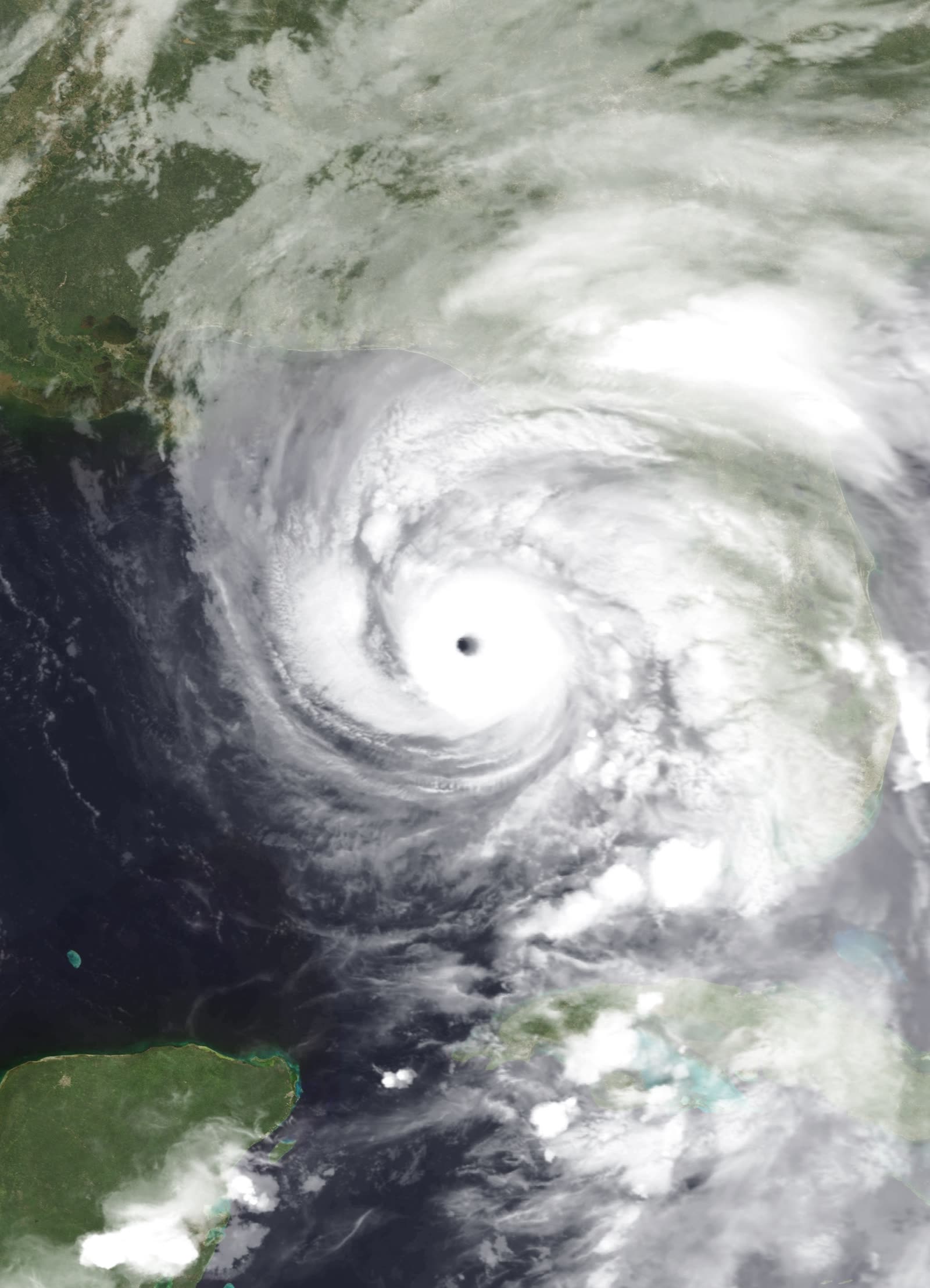
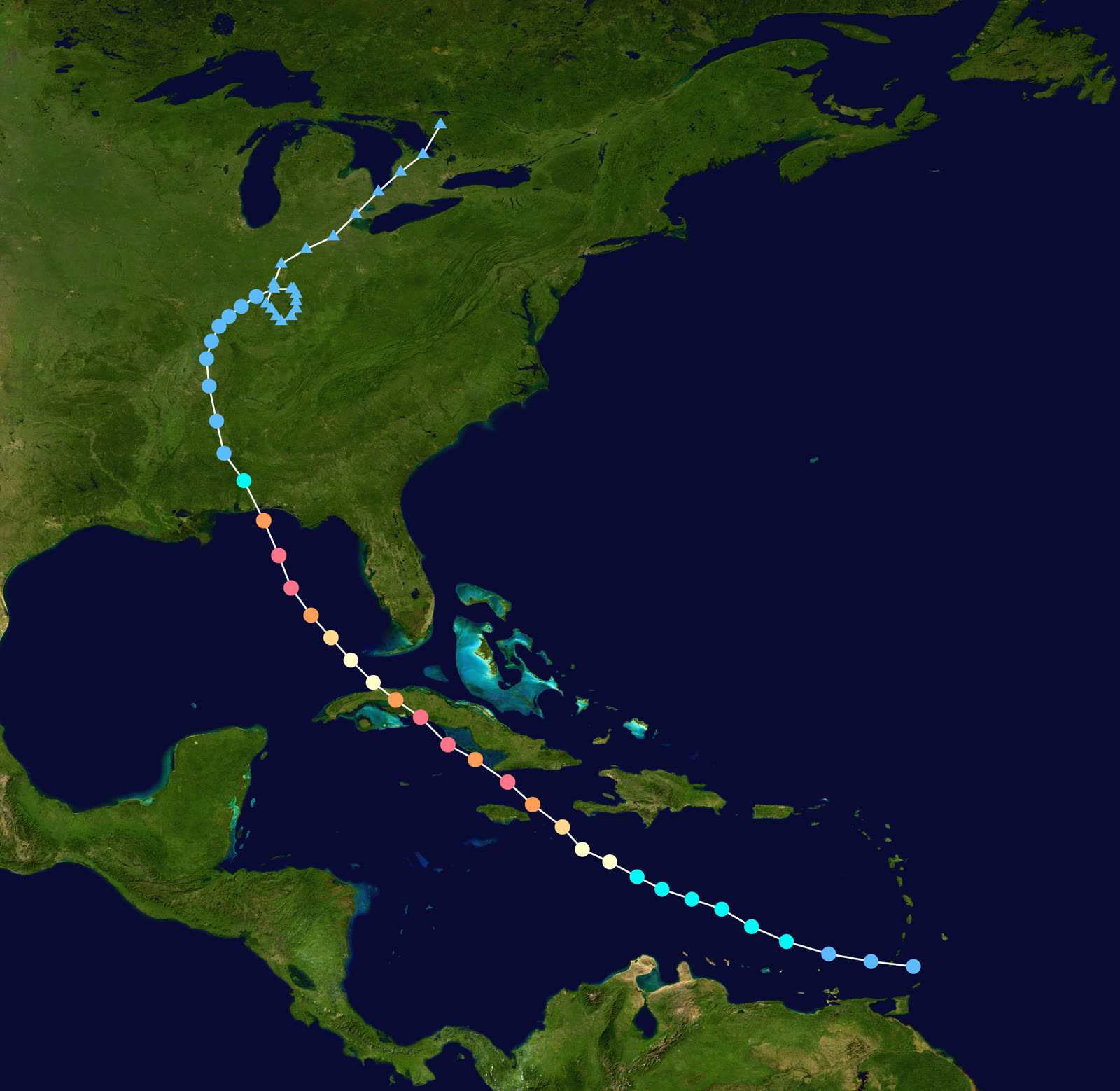
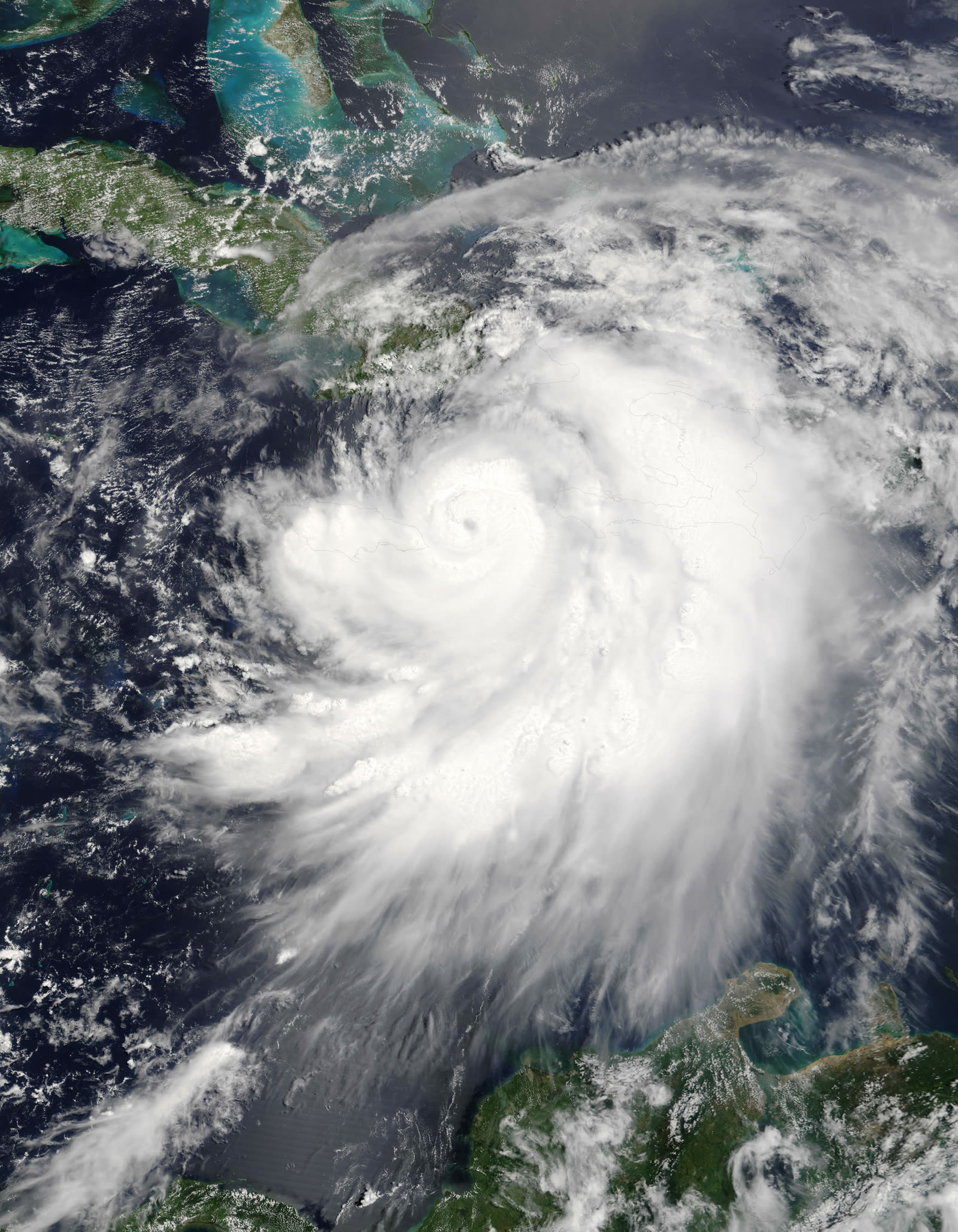
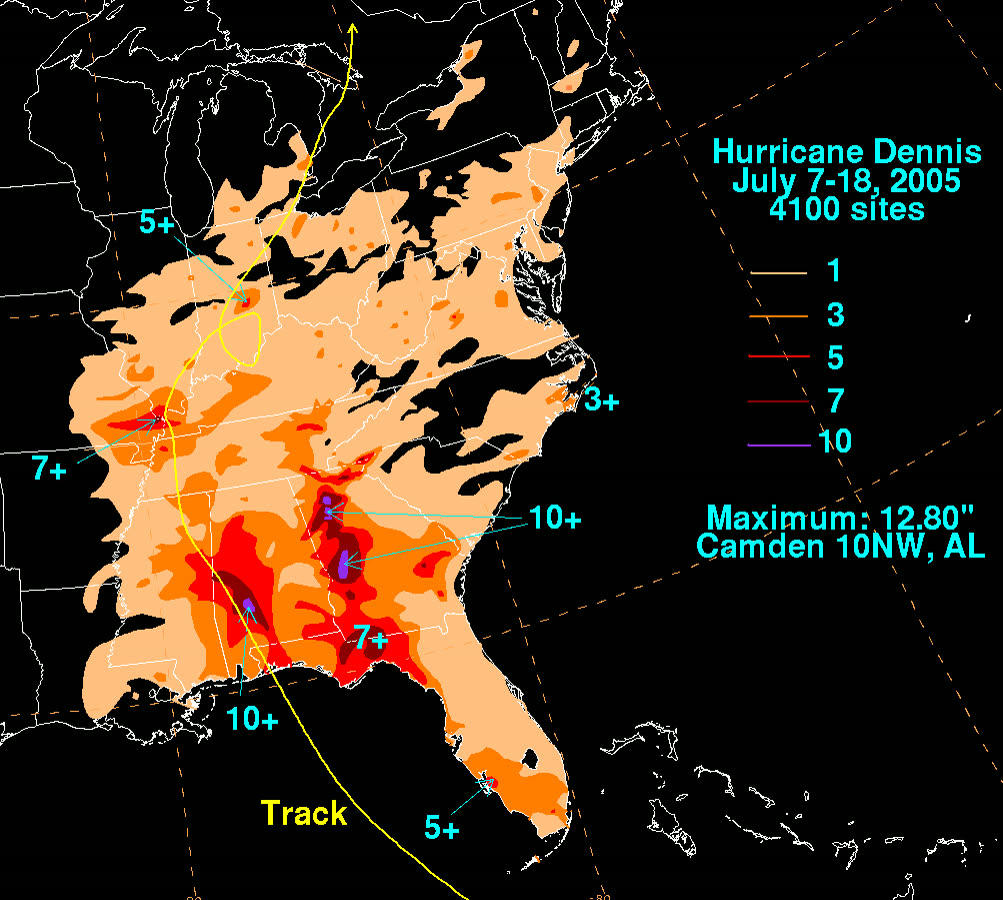
Dennis was an unusually strong July hurricane, a Caribbean storm that rapidly intensified three separate times. It struck Cuba twice at Category 4 strength, peaking at 150 mph, killing 16 there and damaging or destroying roughly 120,000 houses. Over the Gulf on July 9-10, 2005, it deepened again, 37 mb in 24 hours, including 11 mb in an hour and a half, before dry air weakened it on final approach.
Landfall came at 1930 UTC on July 10 on Santa Rosa Island, between Navarre Beach and Gulf Breeze: 120 mph, 946 mb, Category 3. It was nearly the same stretch of coast Ivan had wrecked ten months earlier. Dennis was smaller and faster than Ivan, which capped the damage, surge ran 6-7 feet at the island, and the storm's compact core spared Pensacola a second direct eyewall hit. The strangest impact came 150 nautical miles east: a trapped shelf wave running up the Florida west coast added 3-4 feet of water to Apalachee Bay, pushing a 6-9-foot surge into St. Marks. Dennis weakened quickly inland. US damage: $2.5 billion nominal; 15 US deaths, 12 of them indirect in Florida.
The damage
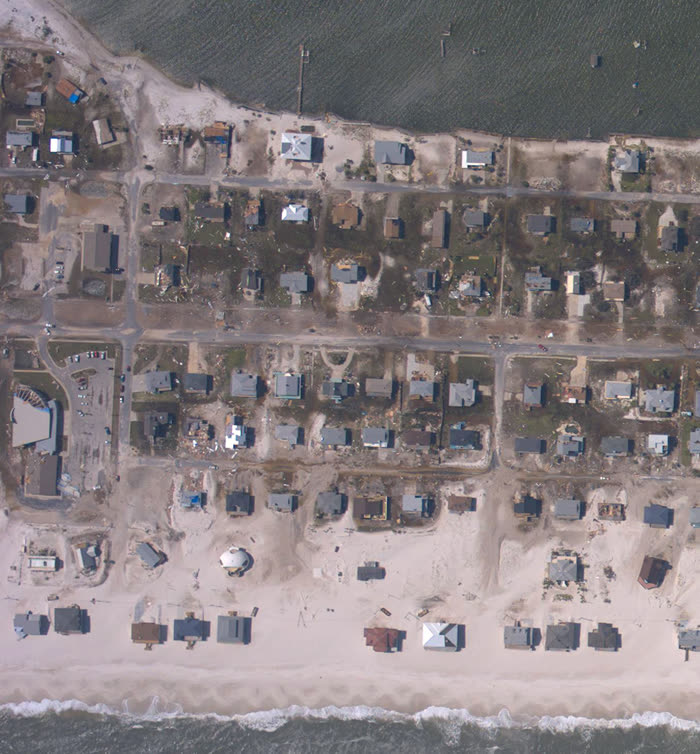
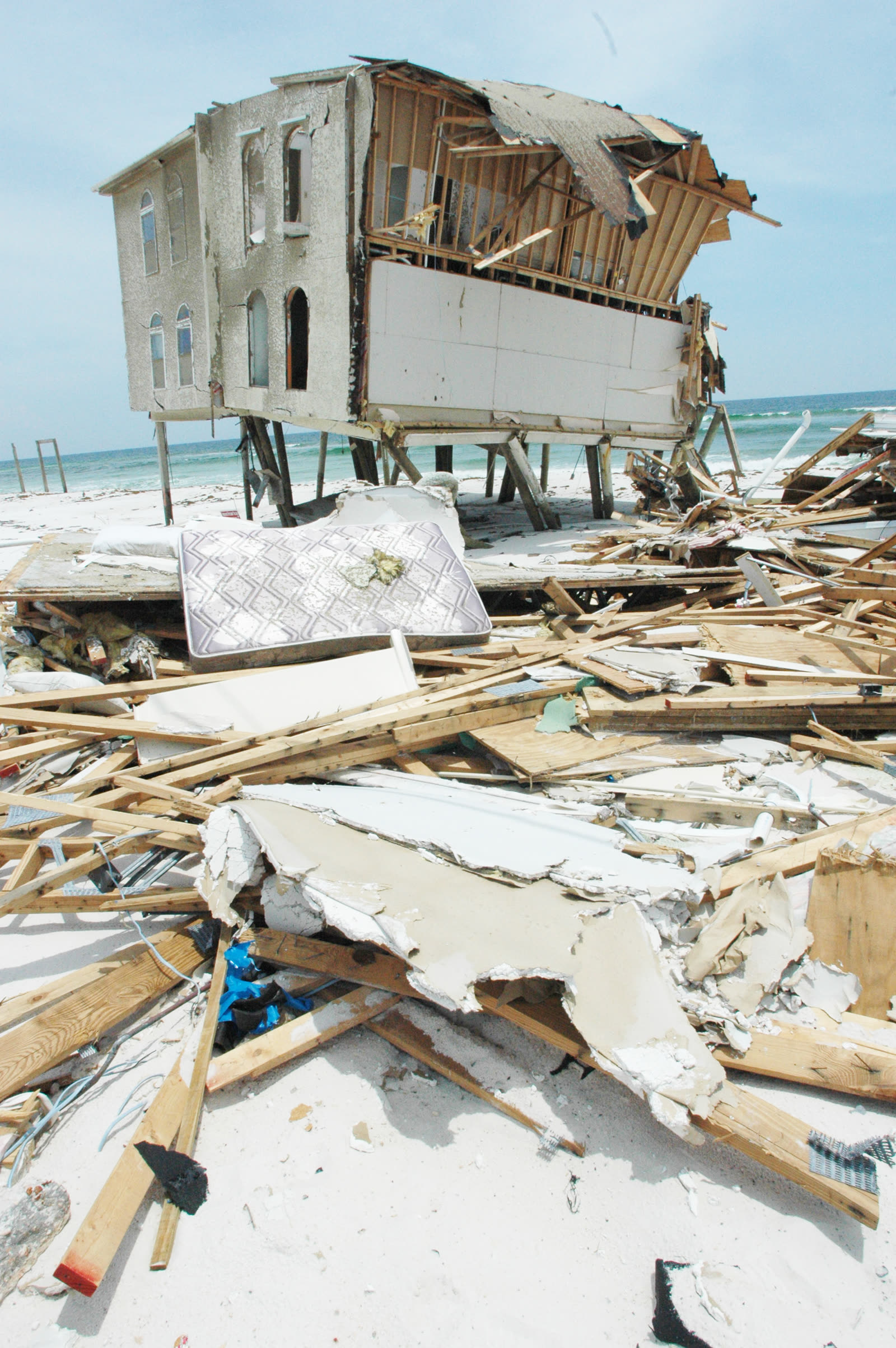
Santa Rosa Island took the core, overwash near and west of Navarre Beach, destroyed beachfront homes, and gutted structures that were mid-repair from Ivan. Pensacola Beach's rebuilt and half-rebuilt properties took another round of wind and water. Inland Santa Rosa, Okaloosa, and Escambia counties saw widespread roof, tree, and power losses, and ten tornadoes touched down. In the Big Bend, the remote shelf-wave surge flooded St. Marks, surge damage in a place where wind reports would not have supported it, a fact that mattered in later coverage arguments. Insured US losses: $1.115 billion.
The insurance aftermath
Dennis was the fifth hurricane to hit Florida in eleven months, and the claims carried 2004's scar tissue. The dominant Panhandle dispute was prior damage: carriers examined whether losses claimed after Dennis were actually unrepaired Ivan damage, and policyholders countered that Dennis had destroyed completed repairs. Homes still under blue tarps were the hardest files: adjusters attributed water intrusion to the tarp, the unrepaired opening, or "wear," rather than to Dennis's winds. Owners with receipts, permits, and photos of finished Ivan repairs got paid; owners without them fought.
The Apalachee Bay flooding replayed the wind-versus-flood exclusion 175 miles from the eye, surge with little accompanying wind, squarely excluded from homeowners policies and covered only for NFIP policyholders in a lightly insured, rural coastline.
At the market level, Dennis's $1.1 billion insured loss was modest, but it opened the second half of a two-season, eight-storm assault. Six weeks later Katrina crossed South Florida; Wilma followed in October. The cumulative 2004-05 losses broke the post-Andrew market equilibrium: the Poe Financial Group's carriers, among the state's largest post-Andrew writers, failed in 2006, Citizens Property Insurance swelled with their policies and posted new deficits, and the Legislature responded with the 2006-07 reform wave, expanding the Hurricane Catastrophe Fund and Citizens itself. The single-season deductible enacted after Frances and Jeanne got its first real-world test in 2005's repeat strikes.
What policyholders learned
- Close out the old claim before the next storm. Documented, completed Ivan repairs, receipts, permits, final inspection photos, were the difference between a paid Dennis claim and a "pre-existing damage" denial.
- Mid-repair homes need mid-repair documentation. Owners who photographed work in progress could separate old damage, new damage, and destroyed repairs; carriers could not.
- Surge doesn't need wind. St. Marks flooded under sunny-side conditions relative to the eyewall; only flood policies responded. Distance from the track is not protection from the flood exclusion.
- Repeat-strike fatigue is a carrier strategy risk. Some owners, worn down by a year of adjusters, accepted quick low settlements; those who obtained independent estimates before signing releases recovered more.
- Watch the market, not just the weather. Policyholders whose carriers failed in 2006 saw claims transferred to FIGA with statutory caps, a reminder to check carrier financial ratings at renewal after big seasons.
Not legal advice; consult an attorney about your specific claim. Damage figures are nominal (not inflation-adjusted) unless noted.