
The storm
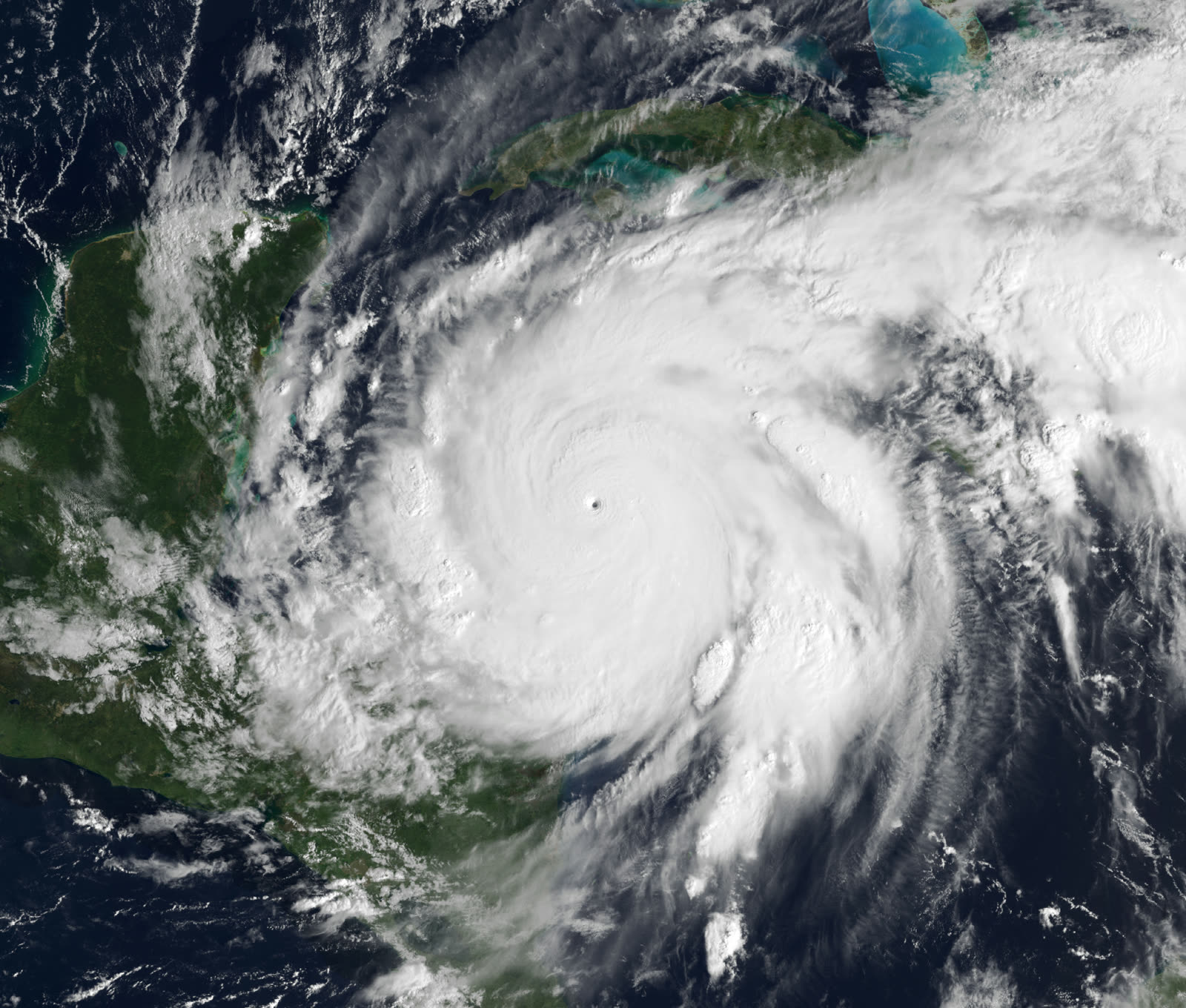
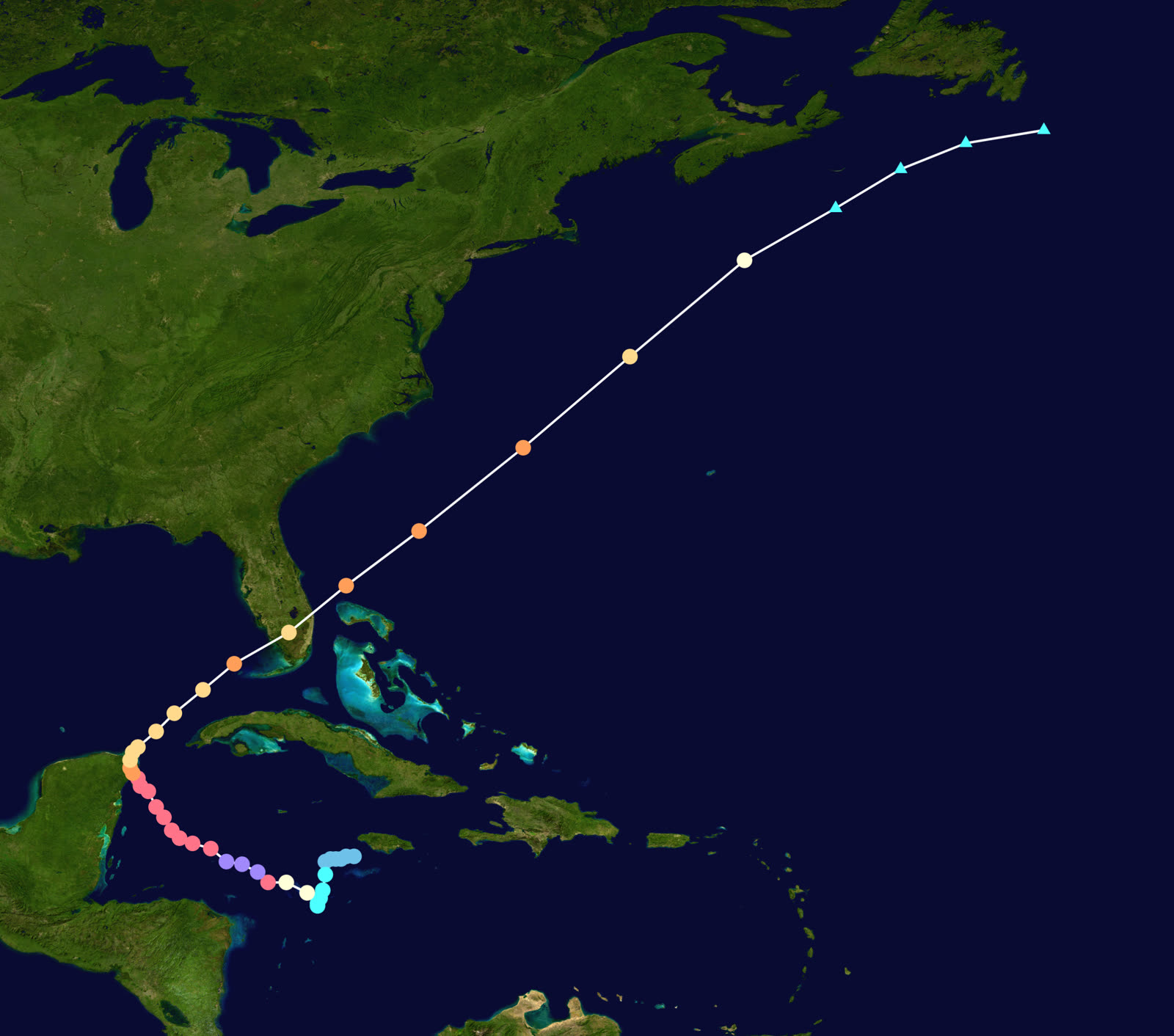
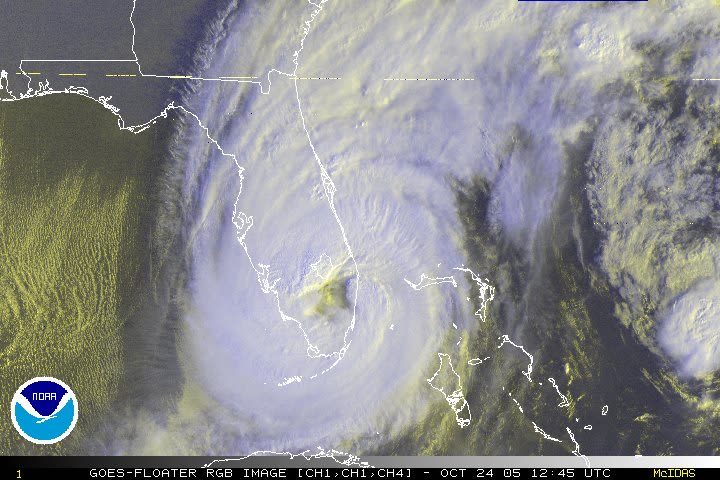
Wilma still owns the Atlantic intensity record. Forming near Jamaica on October 15, 2005, the 22nd storm of a season that had already produced Katrina and Rita, it deepened 97 millibars in 24 hours and bottomed out at 882 mb on October 19, with 185 mph winds around a 2.3-mile-wide pinhole eye. No Atlantic hurricane before or since has measured lower.
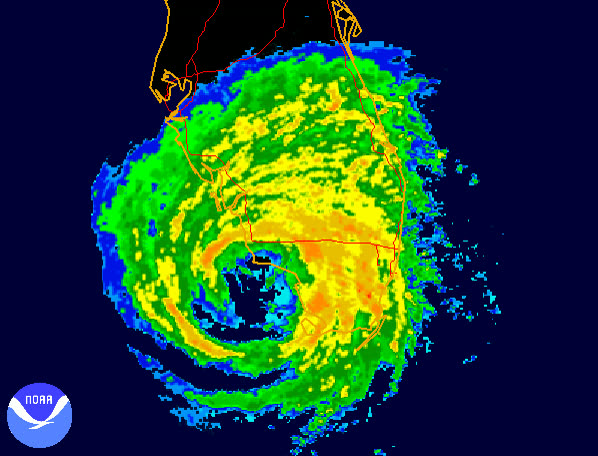
After battering Cozumel and Cancun with a 150-mph landfall and a day-and-a-half stall over the Yucatan, Wilma turned northeast, accelerated, and hit southwest Florida at Cape Romano at 6:30 a.m. EDT on October 24 as a Category 3 with 120 mph winds. It crossed the entire peninsula in about 4.5 hours without ever dropping below hurricane strength and exited near Jupiter before midday.
Surge peaked near 9 feet at Marathon and flooded Key West's low streets; Collier County took 4-8 feet at the mainland landfall. But Wilma's defining Florida damage was wind on the east coast, delivered by the back side of the storm, from the west, a direction Gold Coast buildings rarely face in a hurricane.
The damage
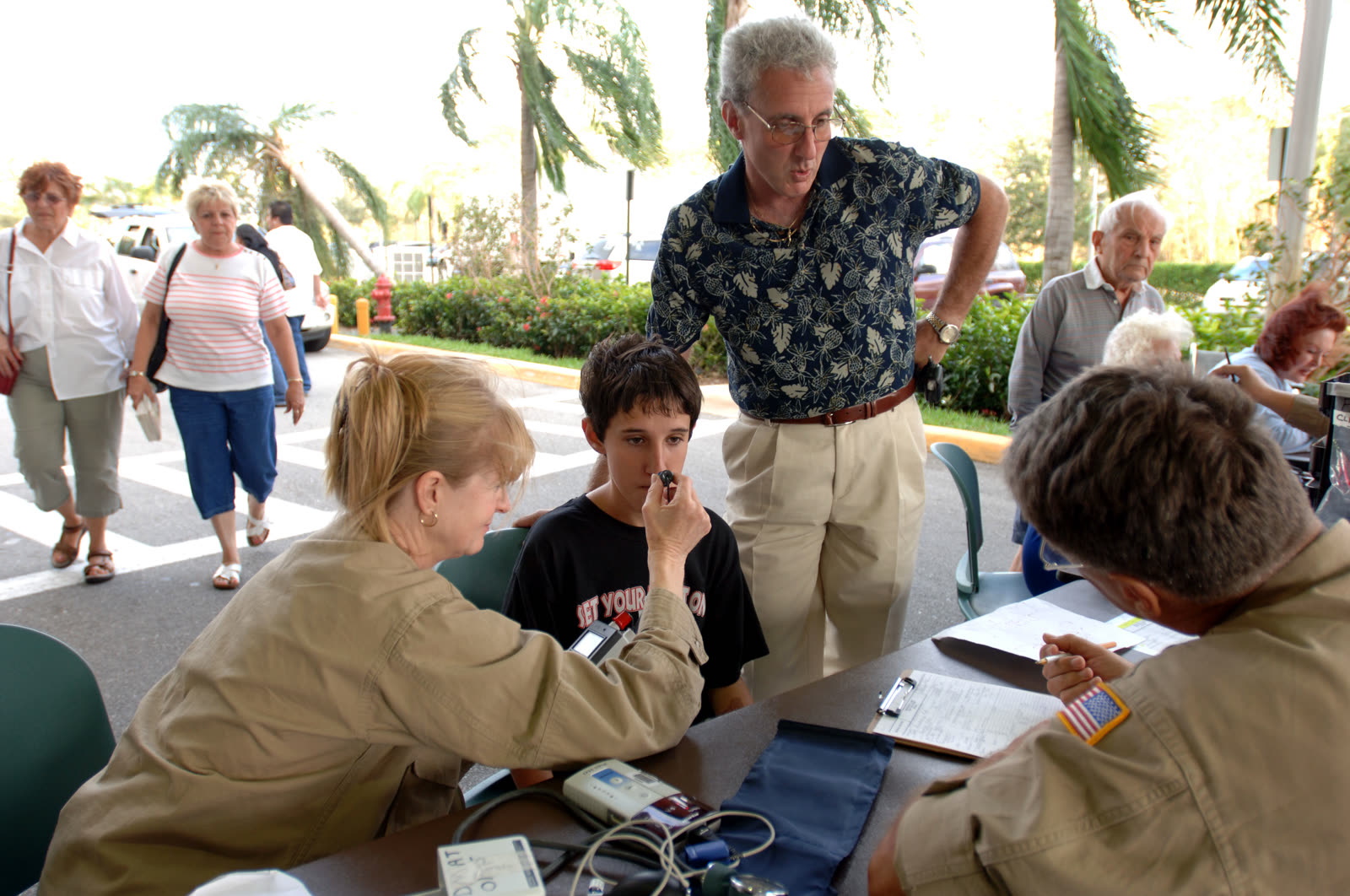
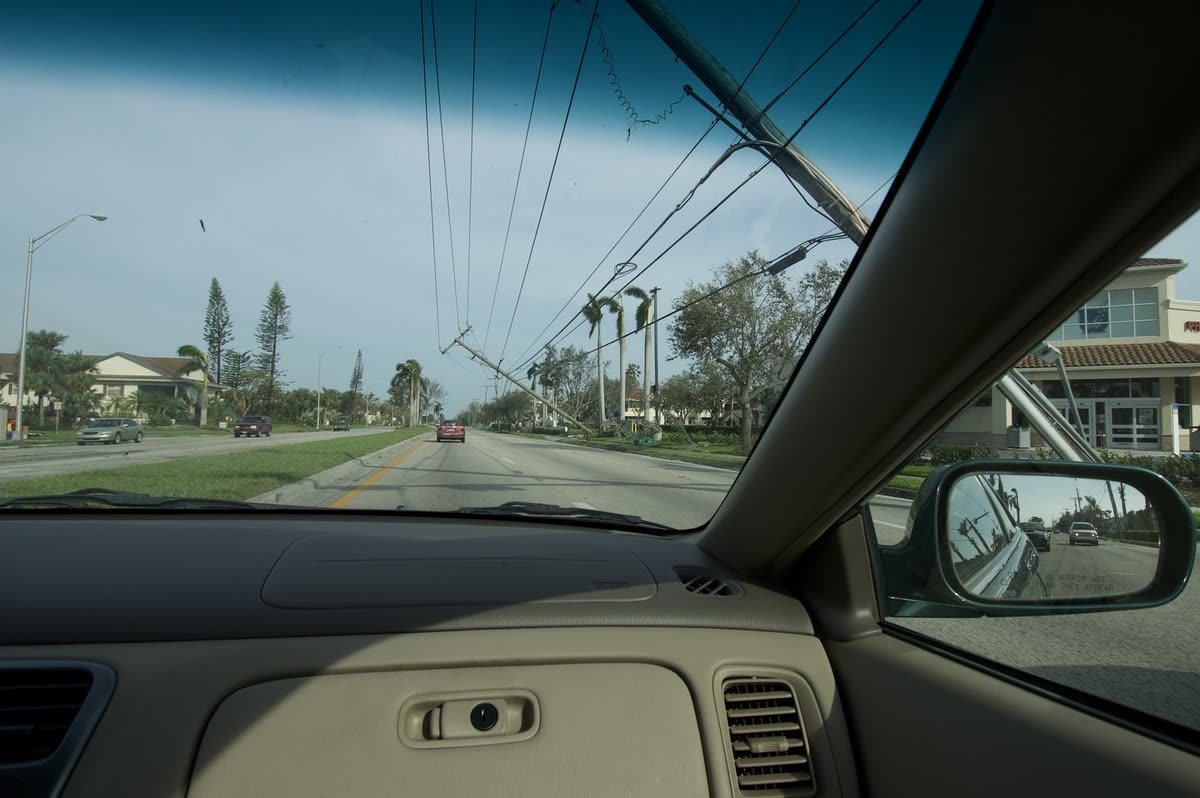
The blackout was the headline: 3,241,000 FPL customers across 42 counties lost power, then the largest power failure in Florida history, including roughly 98% of the Miami metro. The 2006 Legislature responded with generator mandates for high-rise elevators and backup-power rules for gas stations.
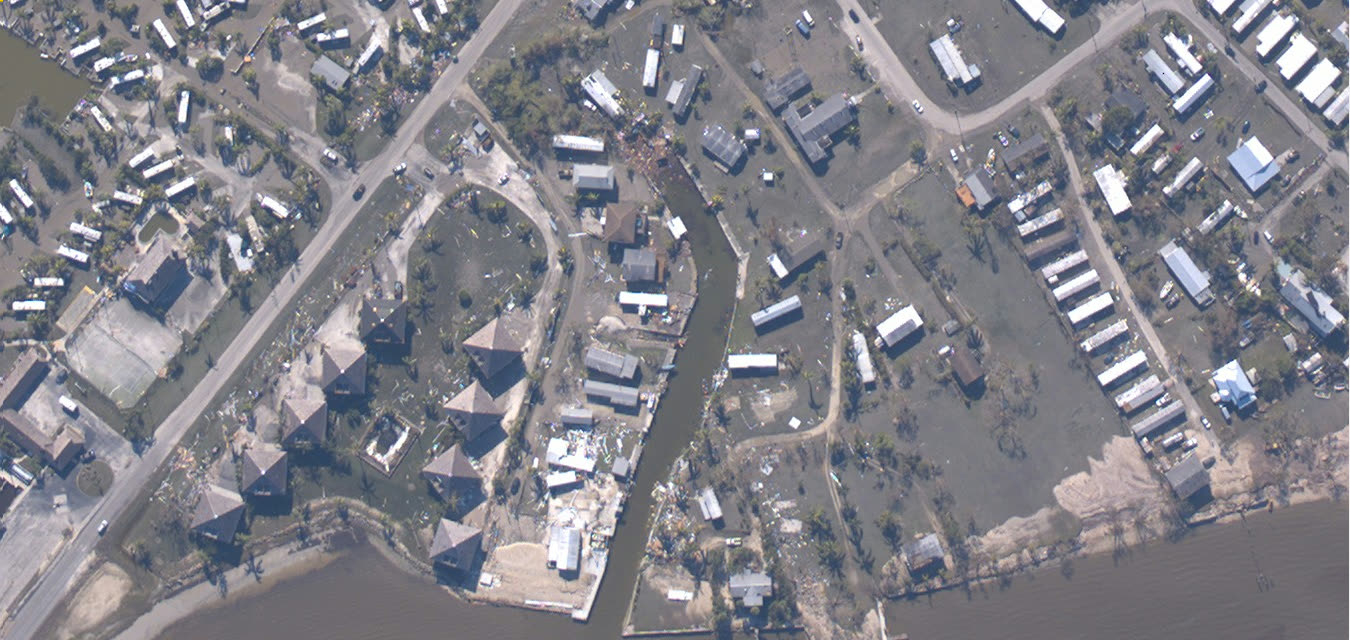
Structures told the longer story. High-rise curtain walls and windows failed across downtown Miami and Fort Lauderdale, the Colonial Bank Building, Four Seasons Miami, and Espirito Santo Plaza among them. 5,111 Broward residences and at least 2,059 in Miami-Dade were rendered uninhabitable, with roof and screen-enclosure damage spread across millions of homes from Naples to Palm Beach. Agriculture lost about $1.3 billion, and post-storm spread of citrus canker cut the orange crop to its smallest since 1989-90. Florida total: roughly $19 billion, 30 deaths (5 direct).
The insurance aftermath
Wilma generated more than 1 million Florida claims, and became the state's definitive lesson in how long a hurricane claim can stay open. By late September 2010, nearly five years after landfall, insurers had paid roughly $9.2 billion on Wilma claims and were still receiving new, supplemental, and reopened ones. Much of the late wave was roof and interior-water damage claimed years after the storm, often surfaced by public adjusters and contractors during the 2008-2010 period; carriers argued the damage was wear and tear or unrelated, policyholders argued it was storm damage discovered late, and Florida's five-year litigation window kept the fights alive.
The market consequences compounded the 2004-05 storm run. Eight storms in two seasons drained the Florida Hurricane Catastrophe Fund, drove Citizens Property Insurance into deficit assessments levied on policyholders statewide, and pushed carriers including the Poe Financial Group companies, then Florida's largest private writers of high-risk coastal business, into insolvency in 2006, sending their policies to Citizens and their unpaid claims to the state guaranty fund.
The legislative endpoint came in 2011. SB 408 created §627.70132: notice of any windstorm or hurricane claim, supplemental claim, or reopened claim must be given within 3 years of landfall, a statute written in direct response to the Wilma claims tail. (Later reforms cut the window further, to 2 years, then 1 year for new claims in 2022-23.) Every Florida deadline argument since, including the late-claim denials after Irma and Ian, runs through the rule Wilma's five-year tail created.
What policyholders learned
- Claim deadlines exist because of storms like this. Wilma-era owners could file years late; the 3-year (now 1-year) notice statutes that followed mean today's policyholders cannot wait.
- Late-discovered damage is compensable but contested. Reopened Wilma roof and leak claims were paid in the billions, and denied in volume as "wear and tear"; dated post-storm photos and prompt inspections decided close cases.
- Opening-direction matters. West-facing wind on east-coast buildings produced failures inspectors and carriers initially attributed to defects; engineering reports establishing wind direction supported the storm-causation argument.
- Insolvency is a policyholder risk. Poe's collapse routed claims through the guaranty association at statutory caps, carrier financial strength became part of coverage decisions.
- Power loss drives secondary claims. Weeks-long outages produced food-spoilage, ALE, and business-interruption claims that owners who kept receipts and outage documentation recovered on.
Not legal advice; consult an attorney about your specific claim. Damage figures are nominal (not inflation-adjusted) unless noted.