
The storm
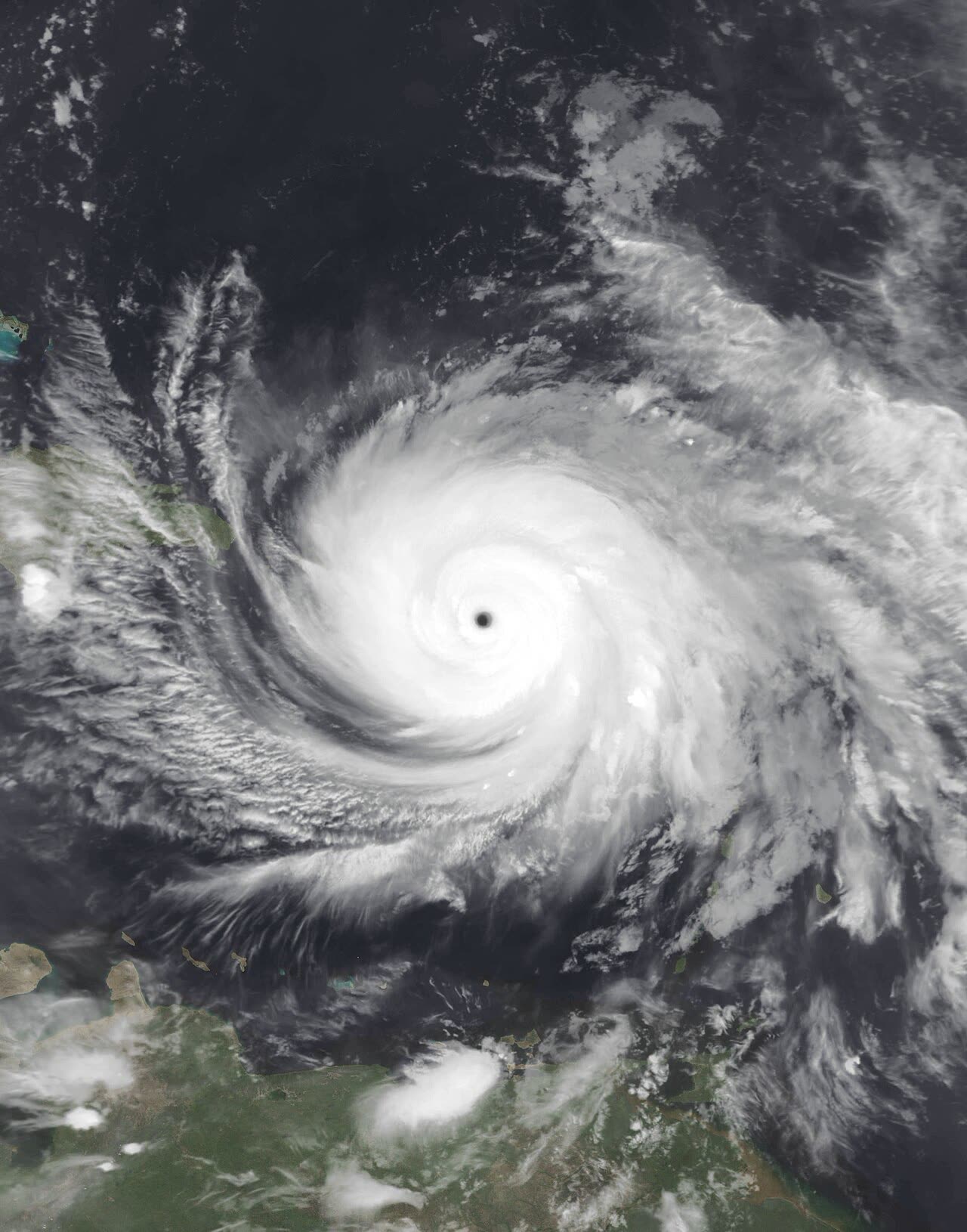
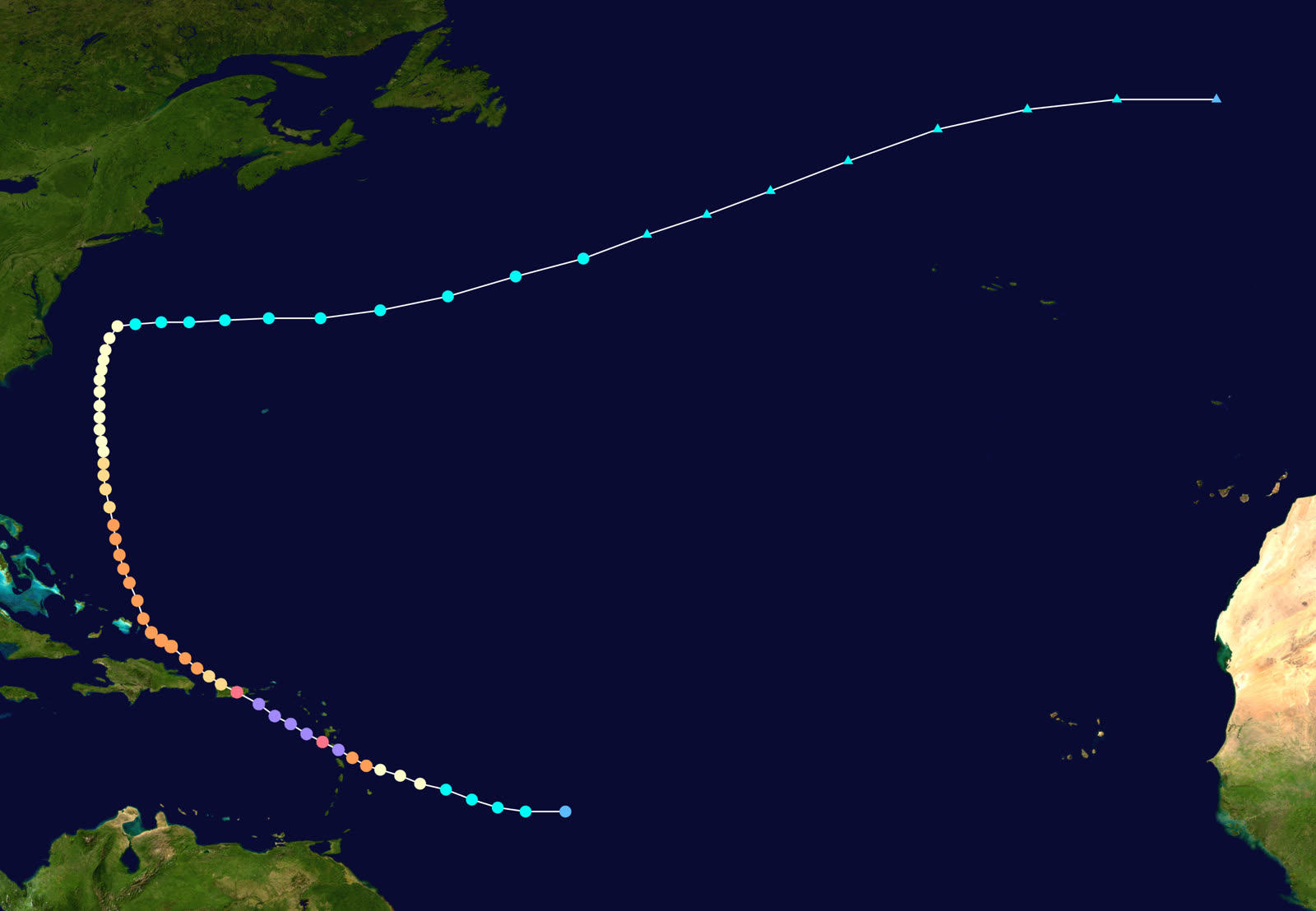
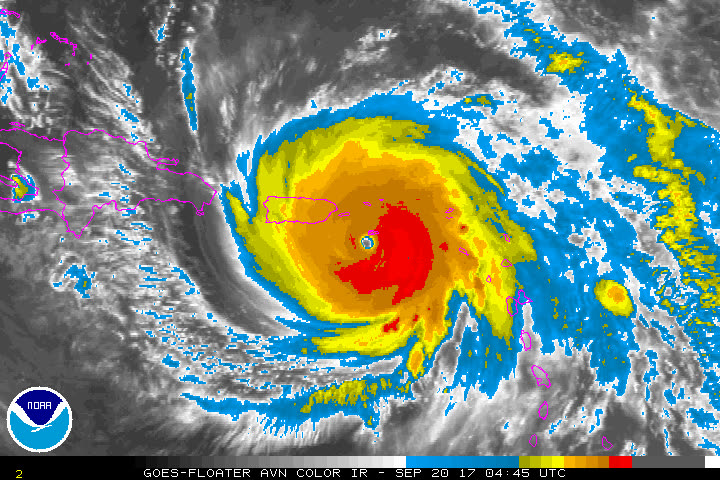
Maria intensified from Category 1 to Category 5 in under 24 hours and destroyed Dominica on September 18, 2017. Southeast of Puerto Rico it peaked at 175 mph and 908 mb, then made landfall at Yabucoa at 6:15 a.m. AST on September 20 as a high-end Category 4, the strongest hurricane to strike Puerto Rico since 1928, arriving two weeks after Irma had already weakened the island's grid.
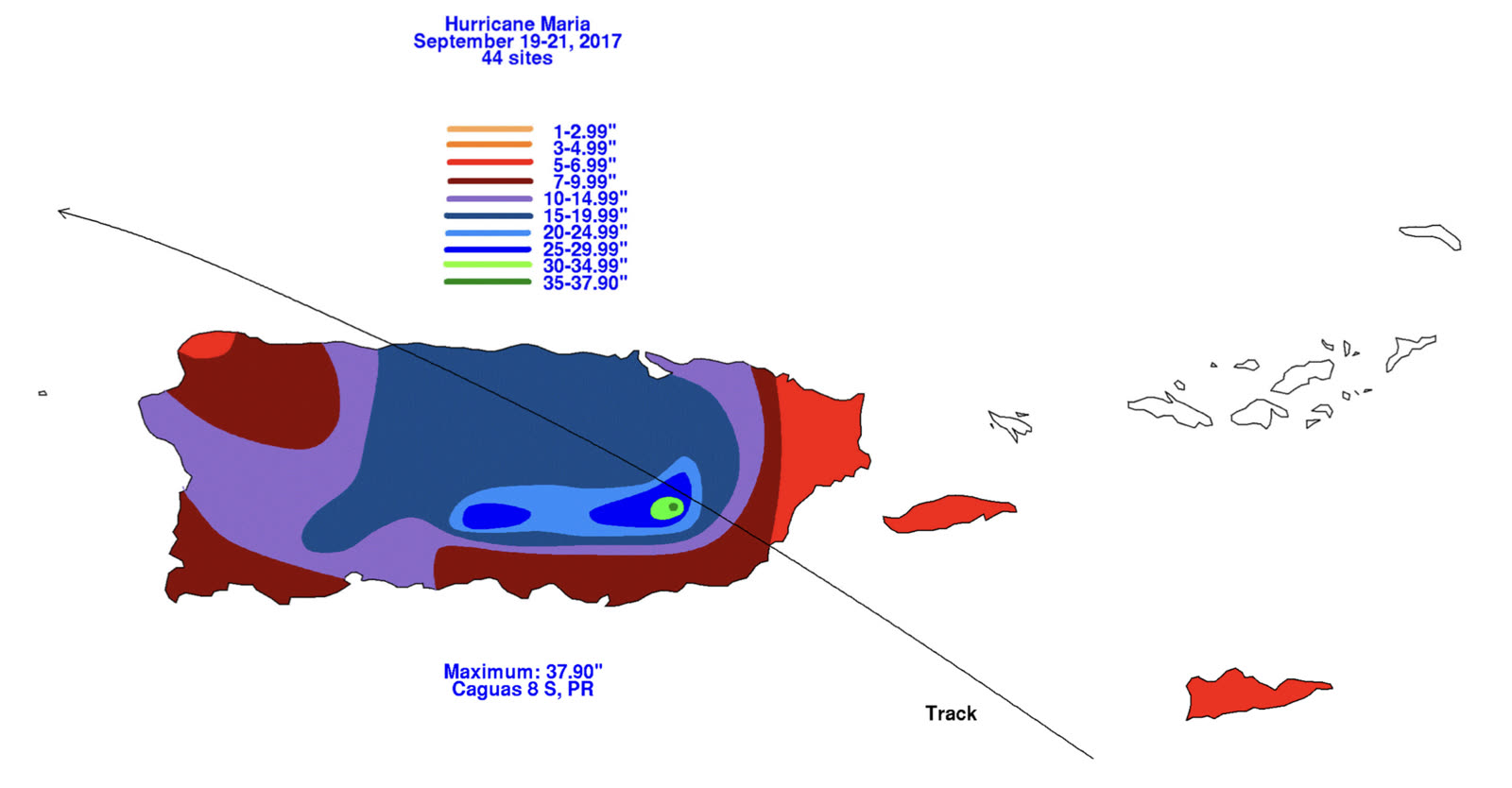
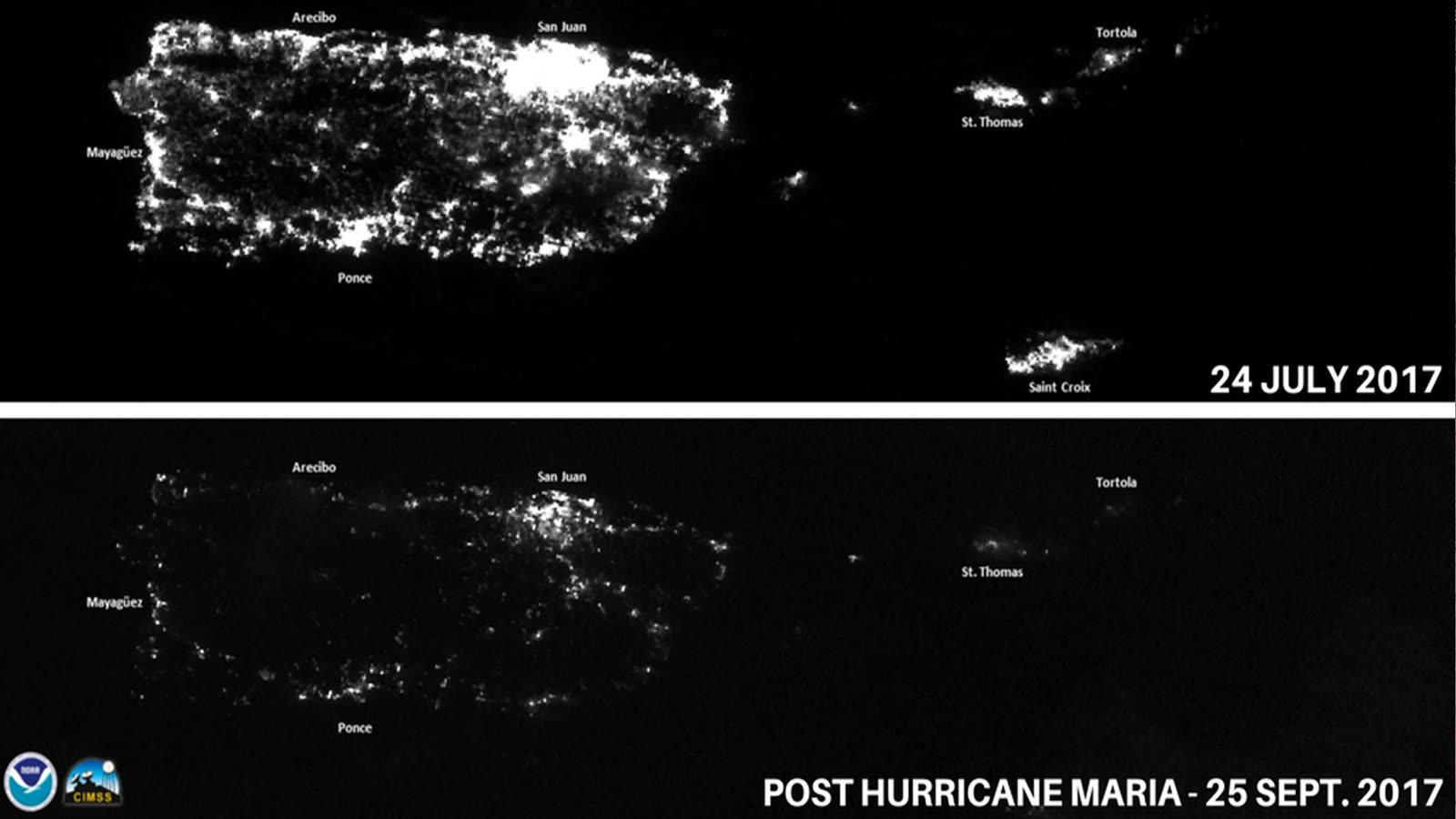
The core crossed the island diagonally over eight hours. Up to 38 inches of rain fell in the mountains, driving island-wide flash flooding and tens of thousands of landslides. Every one of Puerto Rico's 3.4 million residents lost power, the largest blackout in U.S. history, with full restoration taking nearly 11 months. Puerto Rico's government, after independent epidemiological review, put the storm's toll at 2,975 excess deaths, most of them during the long outage. Damage: about $90 billion, the third-costliest U.S. hurricane on record.
The damage
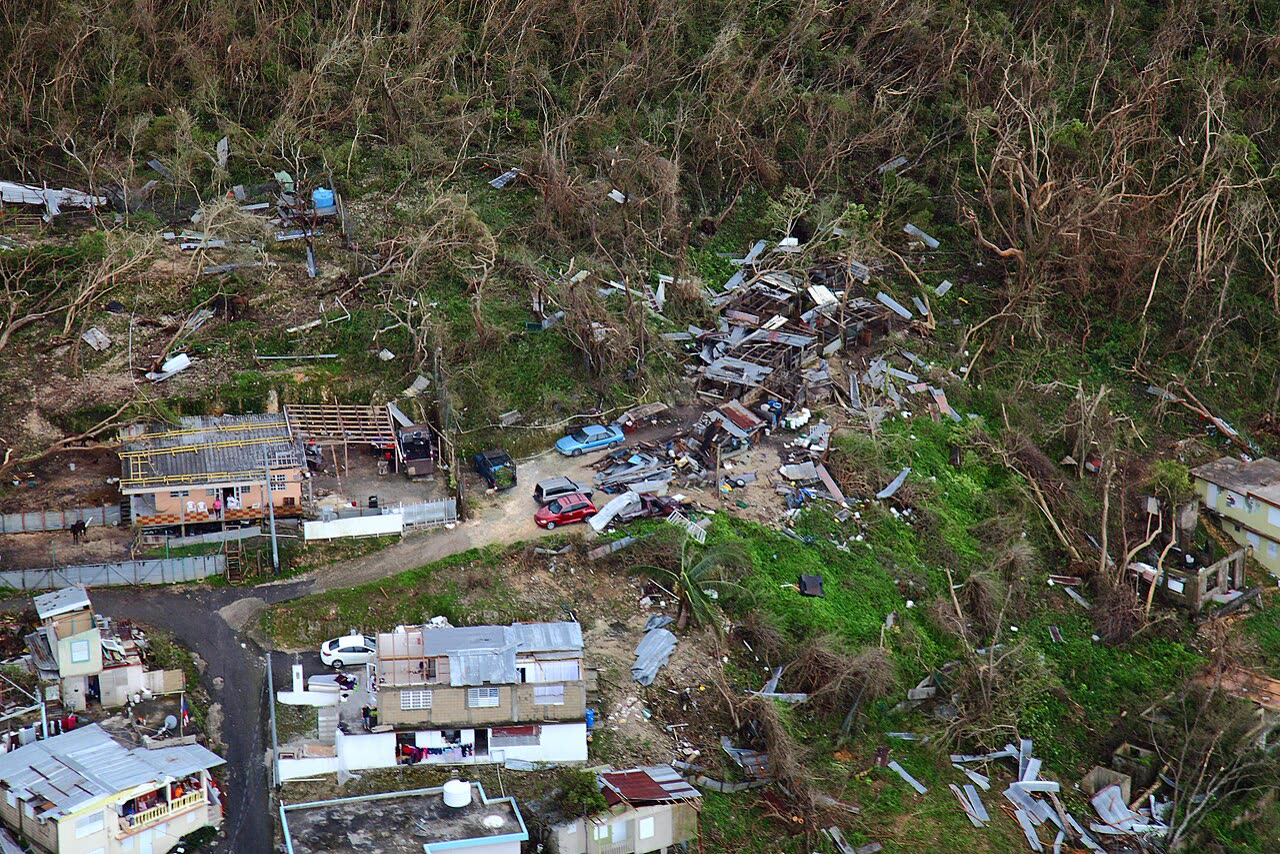
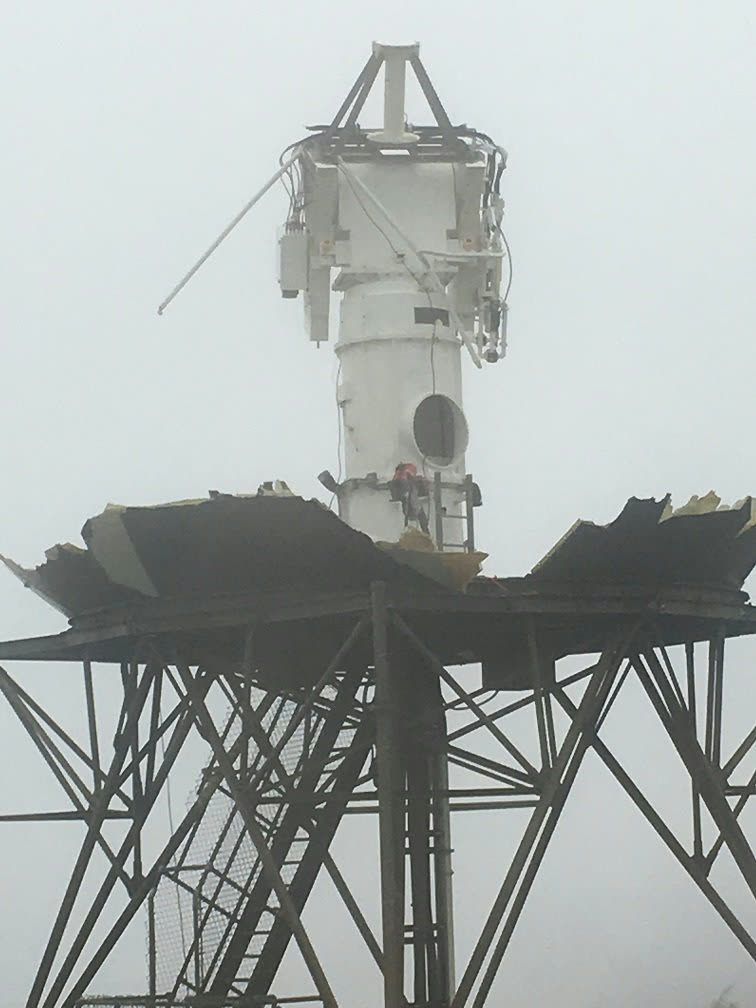
Wind stripped roofs across the island, an estimated hundreds of thousands of homes damaged or destroyed, with the informal construction common in the interior faring worst. Concrete homes survived structurally but lost roofs, windows, and everything inside to wind-driven water. The grid, the water system, telecommunications, and the island's NEXRAD weather radar were destroyed outright. The Guajataca Dam spillway partially failed, forcing downstream evacuations. Agriculture was effectively wiped out for the season. Hospitals ran on generators for months; the blackout, not the wind, drove most of the death toll.
The insurance aftermath
Maria produced the worst claim-delay crisis in modern U.S. insurance. Policyholders filed more than 279,000 claims with private carriers. A year later, regulators counted roughly 13,600 still open, and thousands more had been closed with no or minimal payment. Common patterns reported by policyholders and later litigated: months with no adjuster contact, lowball structural estimates on concrete homes, and depreciation applied until payouts fell below deductibles. Puerto Rico's hurricane deductibles (typically 2 percent) plus widespread underinsurance compounded the shortfalls.
The Office of the Insurance Commissioner fined carriers millions for claim-handling violations and, in November 2018, Puerto Rico enacted a reform package that changed the legal landscape: an express private cause of action for bad-faith claim handling with the possibility of extracontractual damages, deadlines for insurers to resolve claims, and tightened market-conduct oversight. A wave of bad-faith suits followed, including large commercial and condominium cases that ran for years.
The market itself cracked. Real Legacy Assurance, one of Puerto Rico's larger property insurers, was declared insolvent and ordered liquidated in 2018 under the weight of unresolved Irma and Maria claims, sending its policyholders to the guaranty association for fractional recoveries on slow timelines. Reinsurance costs across the island spiked, and several carriers exited or shrank.
Underneath the private-market fight sat a structural gap: roughly half of Puerto Rico's homes were informally built and uninsured entirely, and NFIP flood penetration was minimal. For those households, capped FEMA grants, complicated by title-documentation problems, were the only recourse, and tens of thousands of blue roofs stayed on the island for years.
What policyholders learned
- Delay is a claim strategy that regulators can punish, with proof. Claim diaries, dated letters, and complaint filings with the insurance commissioner built the record that later supported bad-faith recoveries under the 2018 laws.
- "Concrete house, no damage" was a denial pattern, not an inspection result. Owners who documented wind-driven water intrusion room by room, before remediation, defeated estimates that scoped only exterior cracks.
- Depreciation plus a percentage deductible can zero a real loss. Policyholders who challenged depreciation schedules and itemized code-upgrade costs moved claims from below-deductible to payable.
- An insolvent insurer changes the deadline math. Real Legacy claimants faced guaranty-association caps and years of delay; filing complete, documented claims early in a carrier's decline preserved position.
- Uninsured is the default in a poverty-dense disaster. Maria's recovery ran through FEMA, not insurers, for most households, and FEMA's documentation rules (deeds, receipts) decided outcomes as much as the damage did.
Not legal advice; consult an attorney about your specific claim. Damage figures are nominal (not inflation-adjusted) unless noted.